
Portable buildings are extremely flexible and cost-effective, and can become almost anything your site needs. But just like a traditional property or a company asset, a little bit of routine care goes a very long way.
Putting a straightforward maintenance plan in place will actively stop minor daily wear and tear from turning into costly repairs. In the long run, it can help you protect your budget and add years of life to your unit.
Whether you've just had a brand-new space delivered or you are browsing the market for new portable cabins, it is worth knowing how to keep them in top shape.
It’s easy to forget about the roof when you can’t usually see it, but this is your first line of defence against the elements. Throughout the year, especially during autumn, leaves, twigs, and general debris can gather up there. If left unchecked, this debris traps rainwater and can lead to standing pools that slowly degrade the roofing materials. Safely clearing the roof every few months can help prevent this.
While you are up there, check the gutters and downpipes. Blocked gutters cause rainwater to overflow and run down the exterior walls, which can eventually lead to damp issues inside. Keeping the drainage clear directs water safely away from the building.
Beyond the roof, pay the exterior walls some attention, too. Dirt, algae, and grime can hold moisture against the cladding. Gently washing the exterior panels keeps the paintwork intact and the building looking professional for visitors and staff.
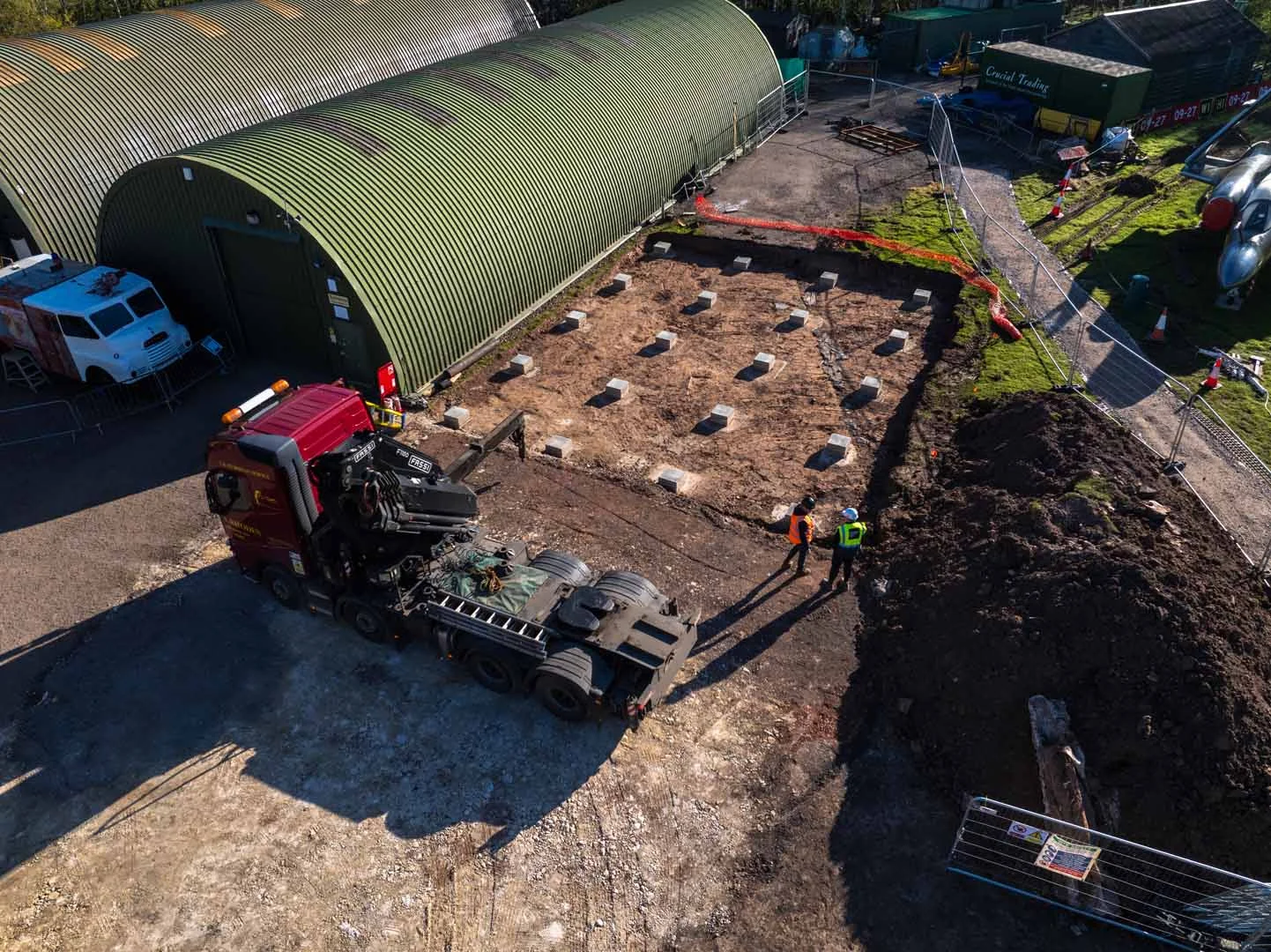
When your portable cabin was first installed, it would have been perfectly levelled. However, over time, heavy rainfall, soil erosion, and general ground settling can cause the earth beneath the foundation pads to change slightly.
If you notice that doors are catching on the floor, windows are stiff to open, or small hairline cracks are appearing in the interior walls, the foundation may need to be looked at. If left uneven, the frame of the building can become unnecessarily stressed, which can cause more serious problems.
If you suspect your unit has settled unevenly, it is always best to contact a professional who can safely adjust the supports and jack the building back into alignment.
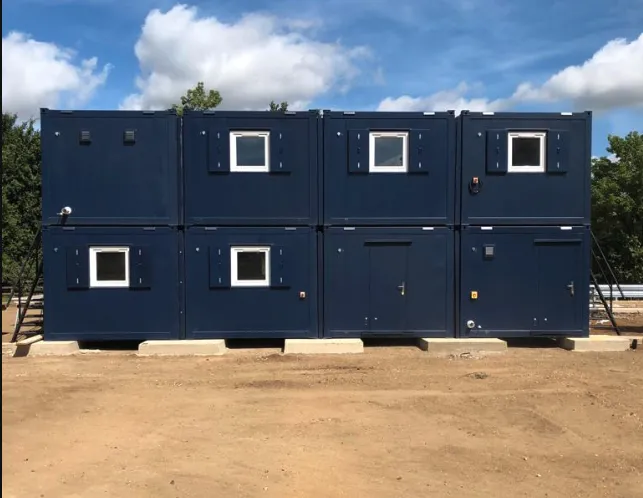
Your doors and windows are being used constantly, so they usually experience the most wear and tear. They are also the areas where heat will escape, and rainwater finds a way in.
Before it gets too cold, take a few minutes to check the rubber seals around every door and window frame. If the seals look cracked or flattened, they might be letting warm air out and cold draughts in, which also pushes your heating bills up. Replacing these strips is a relatively inexpensive job that can save you a lot of money long-term.
While you are checking, it is also worth grabbing a can of spray lubricant and treating the window hinges and door locks. This stops them from seizing up, rusting, and, in turn, becoming damaged later down the line.
In busy buildings, moisture from breathing people, wet coats, and boiling kettles quickly builds up in the air. If the room is sealed tight with nowhere for that moisture to escape, it will settle on cold surfaces and eventually lead to mould.
To keep the air fresh and the walls dry, make sure your heating and air conditioning systems are running as efficiently as possible. If your unit relies on wall vents or extractor fans, wipe them down regularly and remove any furniture or boxes that could be blocking the openings.
Flooring takes the brunt of the physical contact in your building, especially in places like construction sites or schools, where mud and gravel are constantly tracked in and out.
The simplest way to protect your floors is to place heavy-duty barrier mats at every entrance. These catch the worst of the dirt before it gets ground into the main floor covering.
When it comes to cleaning the floors themselves, stick to routine sweeping and a damp mop. Be careful not to completely flood laminate or vinyl planks, though, as excess water can seep into the seams and cause the flooring to lift or warp over time.
When temperatures drop below freezing, unprotected pipes are at risk of bursting. Make sure any exposed plumbing, particularly underneath the building, is well protected with quality insulation. If you spot a dripping tap or a slow-running drain, get it sorted immediately. Even small leaks can cause hidden water damage to the floorboards over time.
For the electrics, keep an eye out for the tell-tale signs of wear. Flickering lights or units that frequently trip should never be ignored. Electrical maintenance is not an area for DIY, so always bring in a qualified electrician for routine testing and repairs.
It’s very likely that you use your portable cabin to house valuable documents, computers, and tools. To keep these items safe, regularly test whether your window locks and door bolts are engaging fully. Adding external motion-sensor security lighting also acts as a brilliant deterrent, and installing window grilles can provide peace of mind when you lock the site up for the weekend.
As for the not-so-human opportunists, mice, rats and insects will naturally look for a warm, dry place to shelter during winter. A well-maintained portable building shouldn't offer them an easy way in to cause damage, but it is always worth checking the perimeter. Look for any small gaps around pipe entries or beneath the skirting and seal them up. You may also choose to keep external bins well away from the building to remove an easy food source.
At GCS Group, we make buildings that are built to handle the high demands of schools, healthcare sites, commercial offices, and beyond. By using strong, dependable materials right from the start, we make it easy to look after your new space well into the future.
If you are currently looking to expand your site, our team is here to help. Get in touch with GCS Group today to explore our full range of portable buildings.