

The UK healthcare sector has been dealing with unprecedented demand for years. As our population grows and ages, the pressure on the National Health Service and private providers to deliver high-quality care has never been greater. Waiting lists for elective surgeries are at record highs, emergency departments are frequently overstretched, and the physical infrastructure of many hospitals is struggling to keep pace with advances in clinical care. Furthermore, traditional construction often proves too slow and disruptive to provide the immediate relief required.
This is where modular healthcare buildings and modular building companies like GCS Group have become a vital solution. By using modern construction methods, healthcare providers can rapidly and efficiently expand capacity with minimal disruption to patient care. From additional ward space and diagnostic hubs to specialised surgical theatres, modular healthcare facilities are reshaping how the industry approaches estate management and capacity planning.
A huge challenge facing the healthcare sector is a lack of physical space. When a hospital reaches full occupancy, the entire system slows down. Patients stay longer in A&E because there are no beds available on wards, which in turn leads to ambulance handover delays and longer waiting times for the public.
Traditional "bricks and mortar" construction projects are often prohibitive in a hospital setting. They require years of planning, significant onsite disruption, and the cordoning off of large areas of hospital grounds for construction traffic and material storage. For a facility that operates twenty-four hours a day, the noise, dust, and logistical chaos of a standard building site are more than just an inconvenience; they can actively obstruct patient recovery and clinical operations.
Modular buildings offer an alternative that avoids many of these hurdles. Because the majority of the construction takes place off-site in a controlled factory environment, the "on-site" phase is dramatically reduced. This allows for a fast response to capacity crises, such as winter pressures or the sudden need for segregated infectious disease units.
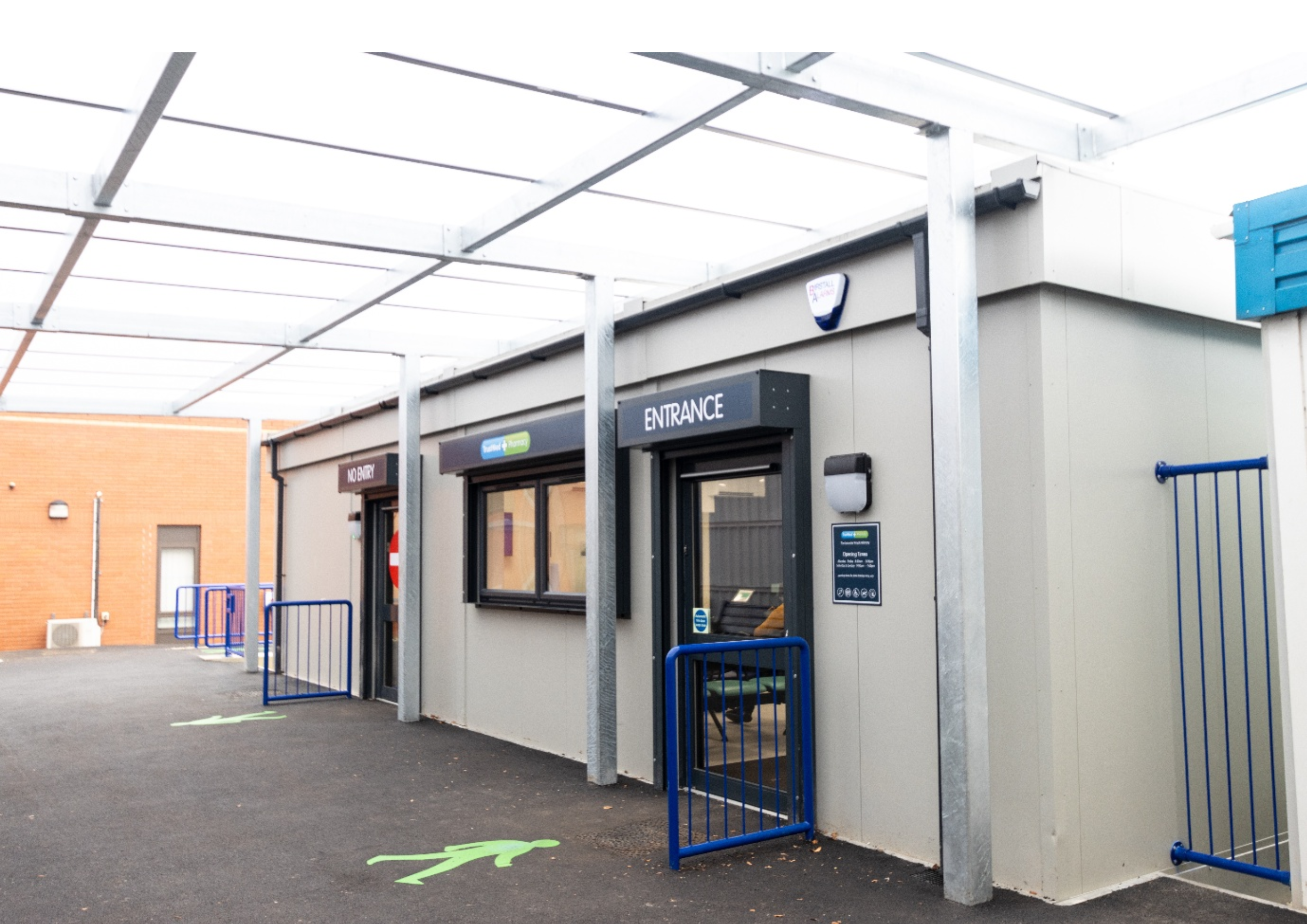
One of the most effective ways to relieve capacity pressure is to increase patient throughput. This means moving patients through the system more efficiently, from diagnosis to treatment and eventual discharge. Modular healthcare buildings support this by providing purpose-built environments for specific stages of the patient journey.
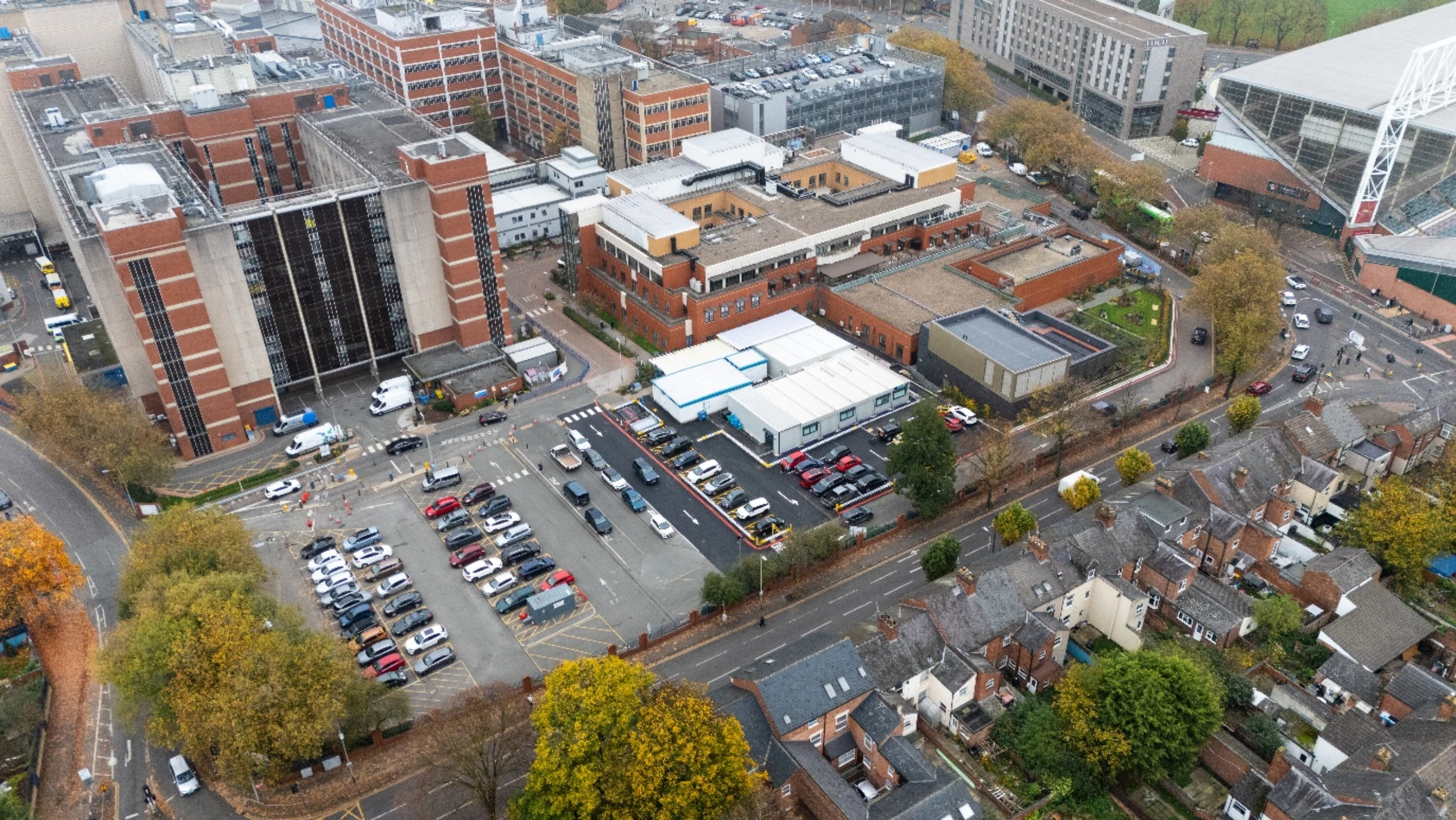
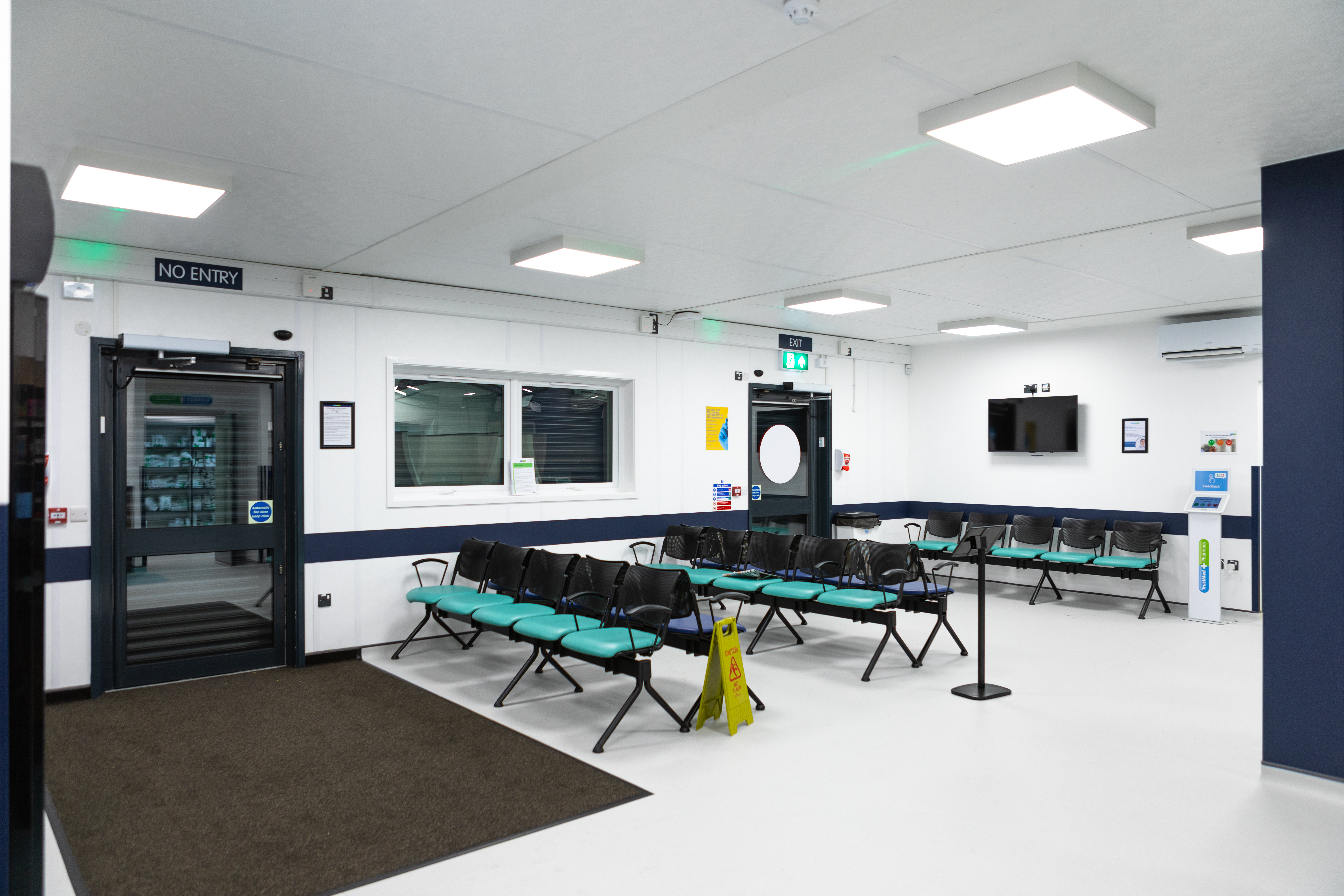
By moving diagnostic services such as X-rays, MRIs, or blood tests into standalone modular healthcare facilities, hospitals can free up space within the main building for acute care. These modular hubs can be situated in hospital car parks or on adjacent land, making them more accessible to outpatients and reducing footfall in the main hospital corridors. This separation of "hot" (acute) and "cold" (planned) services is a proven strategy for improving efficiency.
To tackle the backlog of elective surgeries, many trusts are turning to modular surgical theatres. These units are built to the same rigorous standards as traditional theatres, including ultra-clean ventilation systems and high-tech imaging equipment. Because they can be installed and commissioned in a fraction of the time it takes to build a traditional theatre suite, they allow hospitals to start reducing waiting lists months or even years sooner.
When a hospital needs to refurbish an existing ward, it often loses those beds during construction, further squeezing capacity. Modular units serve as excellent "decant" spaces. Patients can be moved into a high-quality modular ward while the original building is upgraded. Once the refurbishment is complete, the modular building can either be repurposed for a different clinical need or kept as permanent additional bed space.
The decision to opt for modular buildings over traditional methods is driven by several key advantages that directly address the healthcare sector's needs.
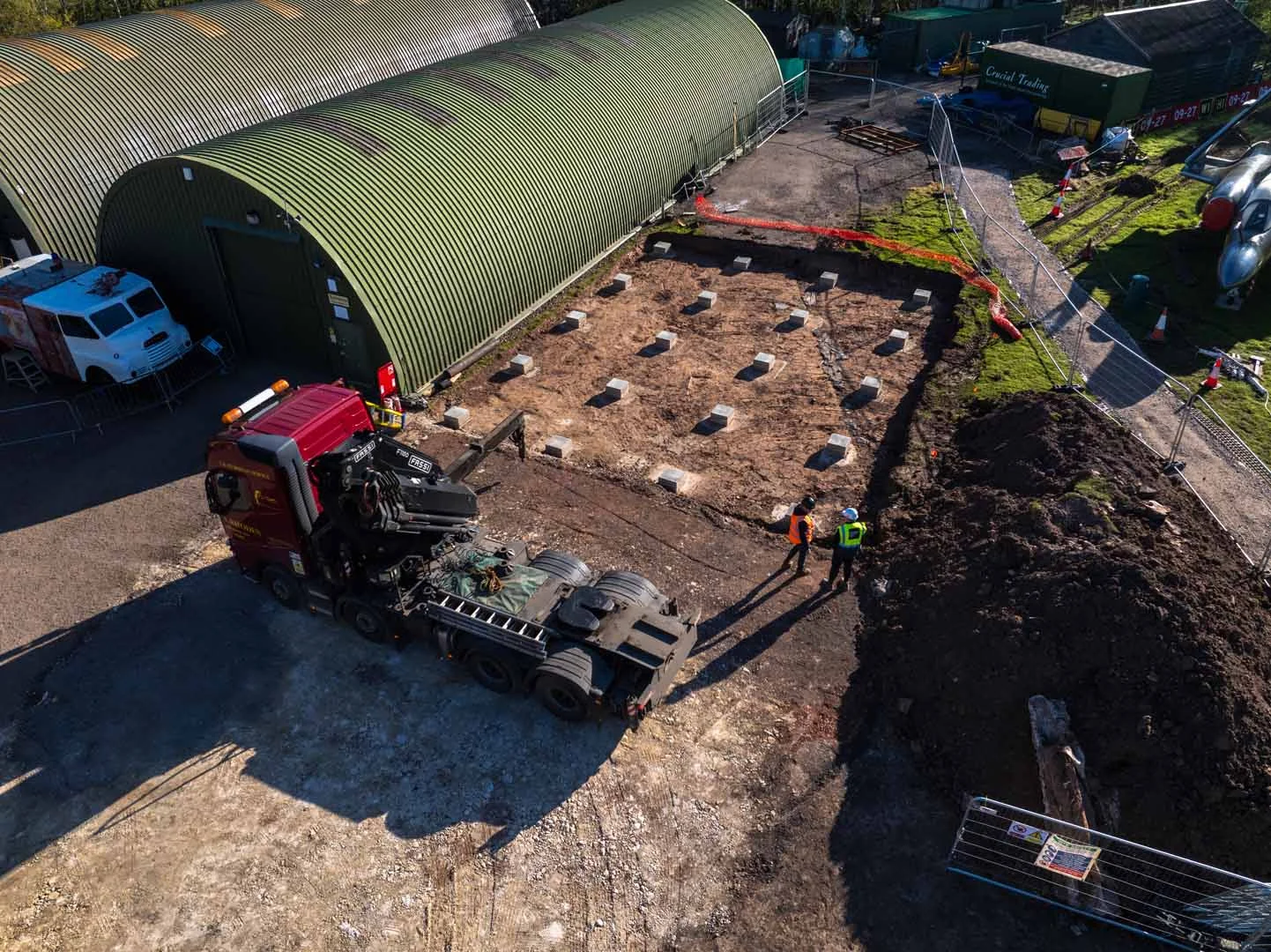
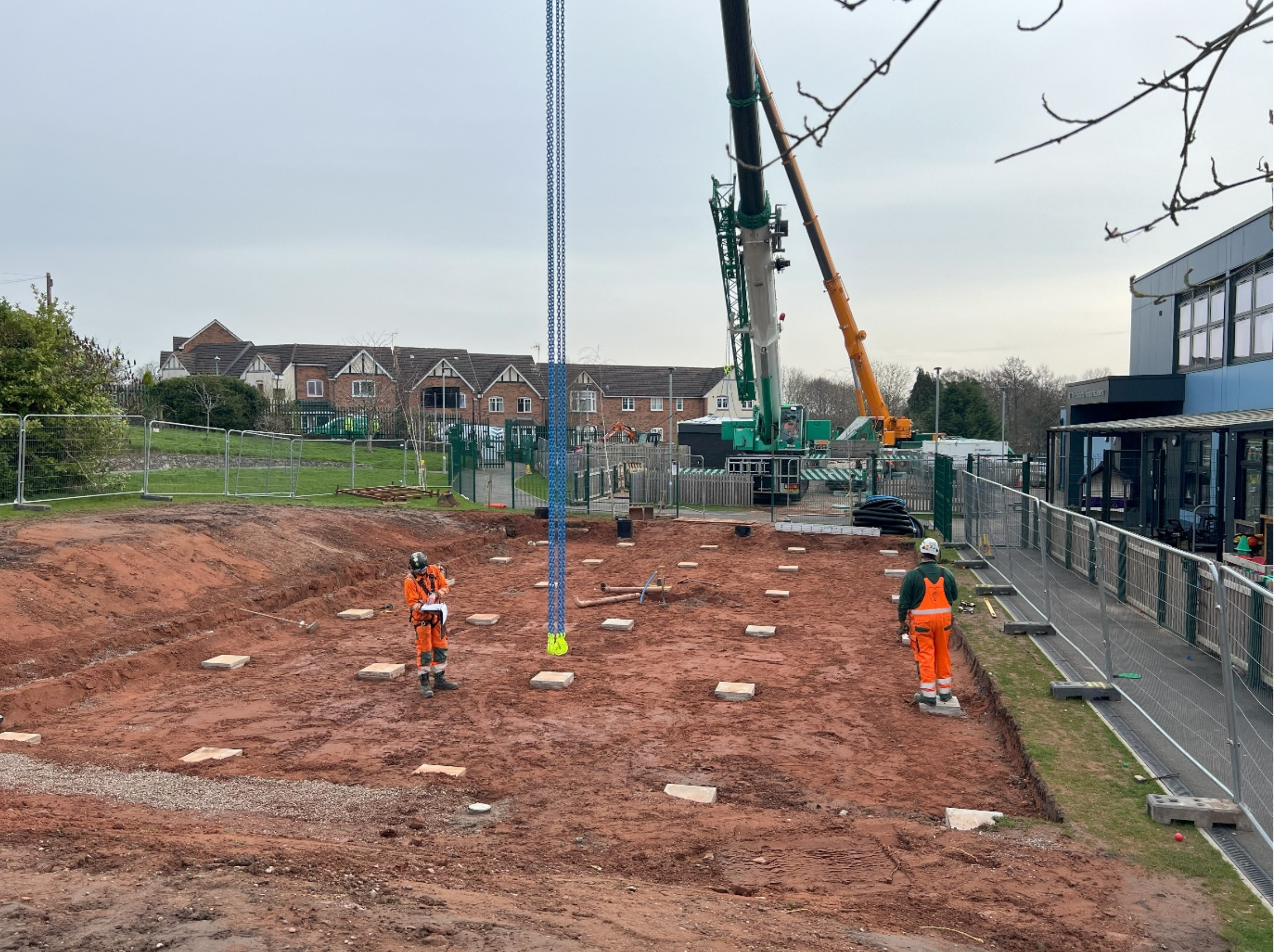
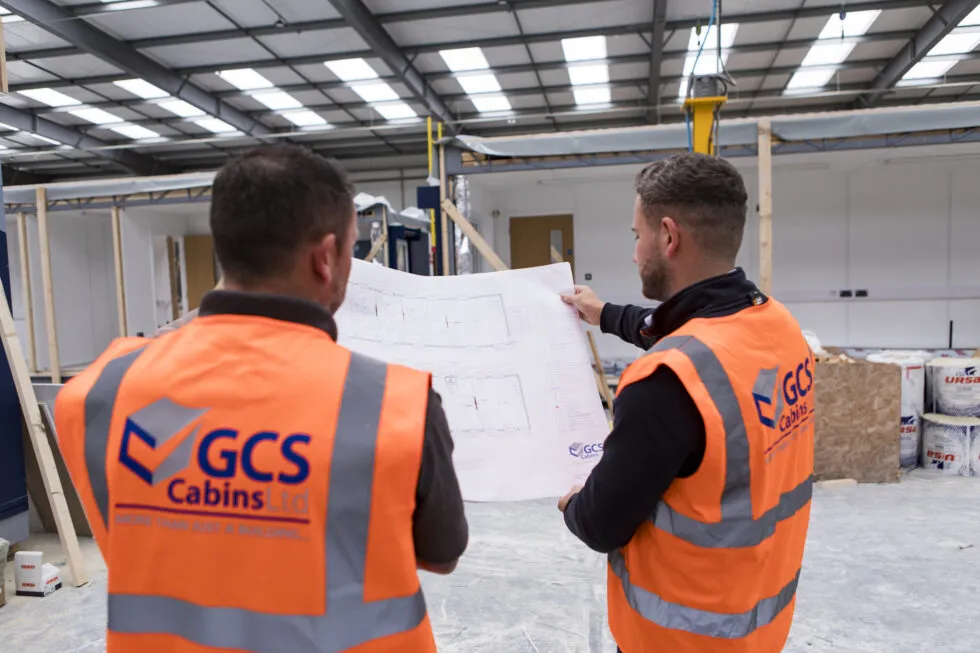
Time is often the most critical factor in the healthcare sector. A modular project can be completed up to 50% faster than a traditional build. While the groundworks and foundations are being prepared on-site, the building modules are being manufactured simultaneously in a factory. This parallel processing means that, as soon as the site is ready, the building arrives in a near-finished state, ready for installation and final fit-out.
Hospitals are sensitive environments. The noise and vibration from traditional piling and construction can interfere with delicate medical equipment and disturb patients. Offsite manufacturing moves the heaviest and noisiest parts of the build away from the hospital. The onsite phase is largely limited to the delivery and “stitching together” of the modules, which can often be scheduled over a single weekend to minimise the impact on staff and patients.
Healthcare budgets are under constant scrutiny. Modular construction provides greater cost certainty. Because the buildings are constructed in a controlled factory environment, they are not subject to weather-related delays or the fluctuating costs of on-site labour and materials. This allows NHS trusts and private healthcare providers to make the most of their capital expenditure by delivering top-quality, bespoke facilities within budget.
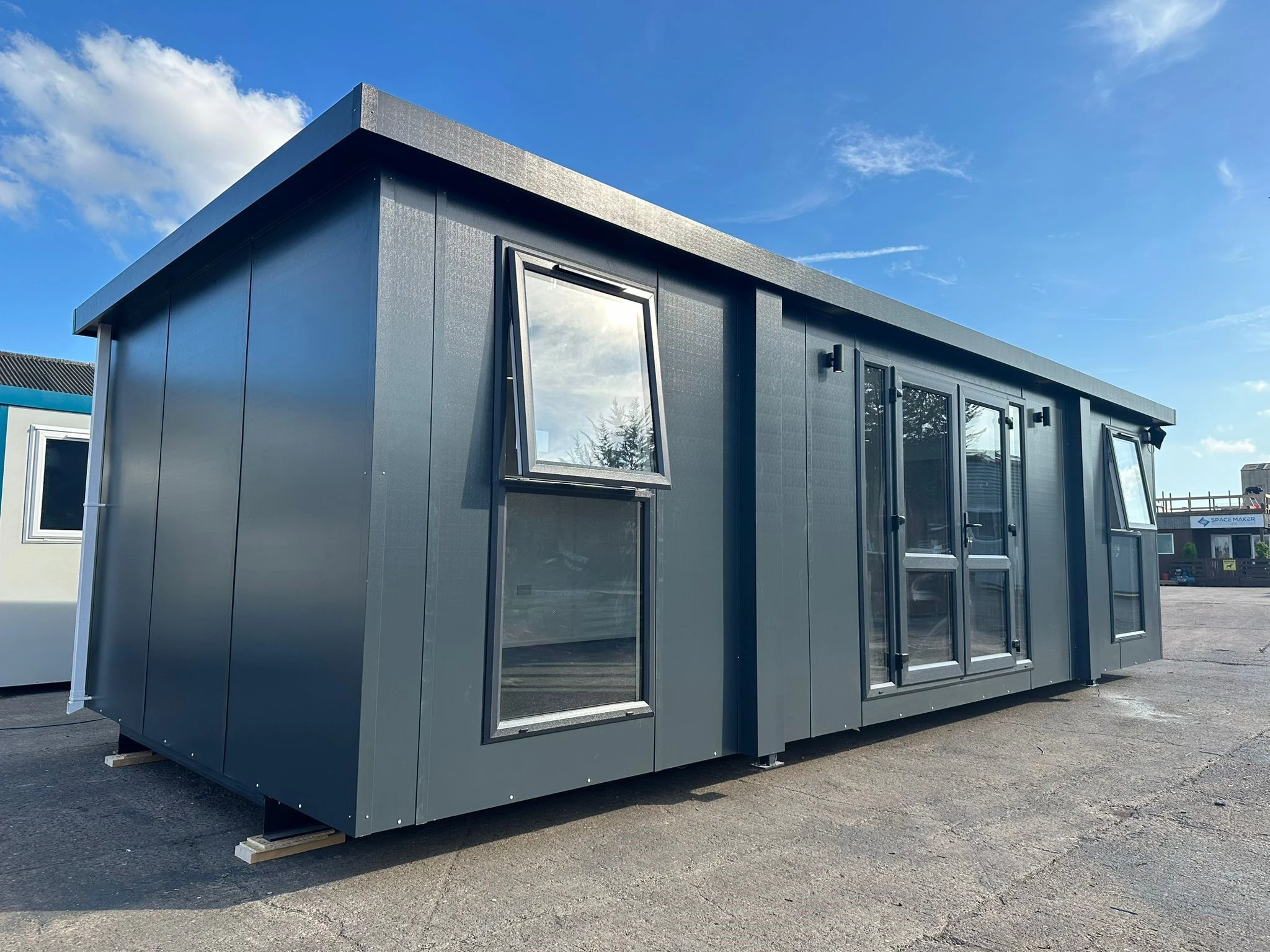
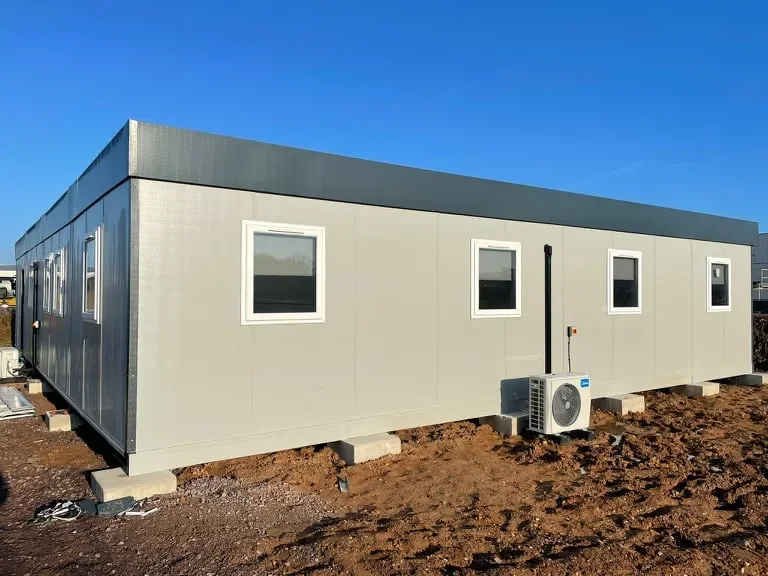
There is a common misconception that modular means “temporary” or “lower quality.” In reality, modern modular healthcare buildings are permanent structures designed to last decades. They are built to comply with all relevant building regulations and specific healthcare standards, such as HTM (Health Technical Memoranda) and HBN (Health Building Notes). The factory setting allows for much tighter quality control and precision than is possible on a traditional building site, resulting in superior airtightness, insulation, and finish.
The NHS has committed to reaching "Net Zero" by 2040, and the construction of new facilities plays a massive role in this goal. Modular buildings are inherently more sustainable than traditional construction. The factory process reduces material waste by up to 95%, as off-cuts can be recycled or used in other projects.
Furthermore, modular units are designed with energy efficiency in mind. They often feature high-performance thermal envelopes, LED lighting, and advanced HVAC systems that reduce the building's operational carbon footprint. For healthcare providers, this not only helps meet environmental targets but also reduces long-term energy costs, allowing more funds to be directed toward frontline patient care.
The needs of a hospital today may not be the needs of the hospital in ten years. The inherent flexibility of modular healthcare facilities is a major asset for future-proofing. Modular sections can be added to, reconfigured, or even relocated if the hospital site needs to be redesigned. This adaptability ensures that the building remains a functional asset rather than a redundant piece of the estate.
For example, a modular building originally commissioned as an emergency overflow ward could be refurbished internally to become a suite of administrative offices or a specialised outpatient clinic. This approach to healthcare architecture allows estates managers to react to the changing health needs of their local community.
The capacity pressures facing the UK healthcare system require innovative, versatile, and high-quality solutions. Modular healthcare buildings enable hospitals to expand their clinical footprint without the prohibitive timelines and disruptions associated with traditional construction.
Modular buildings allow healthcare providers to rapidly deploy new wards, theatres, and clinics that meet the highest clinical standards. These facilities do more than just provide extra space; they improve patient flow, enhance staff working environments, and contribute to a more sustainable and resilient healthcare estate.
If you are planning new hospitals, either as replacement buildings or expansion of existing healthcare facilities, we can help. The experienced team at GCS Group can help you plan and design your modular healthcare buildings. Our turnkey solution provides a total service from groundworks through to installation. Contact us today to start your project.
With over 15 years of sales experience and deep expertise in the modular building industry, Meg Rodgers leads the sales team at GCS Group. She understands firsthand how precious time is, shaping a consultative, efficient, and caring sales process. Meg focuses on providing an informative and transparent experience from initial consultation to final delivery, building the long-standing, trustworthy client relationships that drive GCS forward.