

Successful construction projects rely on maximising time and budgets. Delays cost money. Poor planning leads to inefficiencies. Temporary site facilities that are not fit for purpose adversely affect productivity and morale. Keeping a project on budget and on schedule requires careful coordination of people, processes and space.
Modular site units have become an essential part of modern construction projects for exactly this reason. From welfare cabins and site offices to meeting rooms and storage, these buildings provide practical, reliable infrastructure that supports teams from day one. When delivered and installed correctly, they help projects run more smoothly, reduce downtime, and maintain compliance throughout the build programme.
This article explores how modular site units support construction projects and why they are a valuable tool for controlling costs and programme.
Construction projects operate under increasing pressure. Rising material costs, skills shortages, tighter health and safety requirements, and complex programmes all place additional demands on project teams.
At the same time, clients expect faster delivery and greater cost certainty. Any delay to site setup, welfare provision, or project coordination can have a knock-on effect across the entire programme.
Temporary site accommodation is often one of the first elements required on a new project. If it is late, poorly planned, or inadequate, the impact is felt immediately. Modular site units provide a way to remove many of these risks before they escalate.

One of the most significant advantages of modular site units is speed.
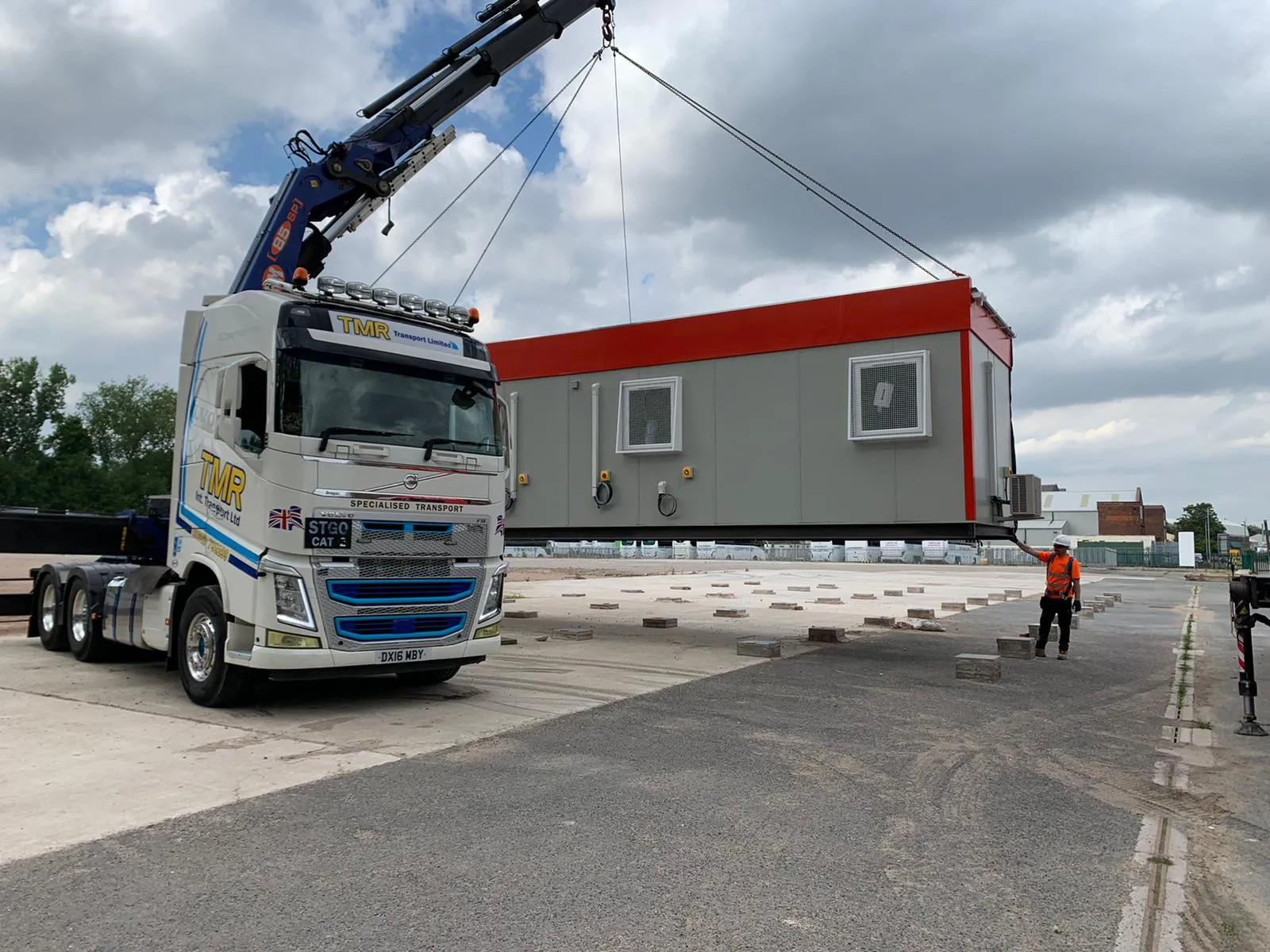
Traditional site buildings can take time to organise and install. Modular units are manufactured off-site and delivered ready for use. Once on site, installation is quick, allowing teams to get operational without delay.
When a site is up and running on time, induction processes run smoothly, subcontractors can be coordinated effectively, and early works can progress without unnecessary interruption.
For project managers, this means fewer delays at the start of the programme and a stronger foundation for the rest of the build.
Welfare provision is a legal requirement on construction sites, but it is also a practical necessity.
Welfare cabins provide essential facilities, including toilets, wash areas, canteens, drying rooms, and rest areas. When these facilities are clean, accessible, and properly maintained, they support workforce wellbeing and productivity.
Modular welfare cabins are designed to meet current regulations and industry standards. They offer reliable layouts, proper ventilation, heating, and durable finishes that stand up to daily use.
By choosing well-designed welfare cabins from the outset, building managers can avoid costly upgrades, compliance issues, or last-minute changes that disrupt the programme.
Every construction project needs a central hub for planning, communication, and decision-making. A modular site office provides exactly that.
These buildings offer dedicated space for project managers, site managers, and administrative staff to work efficiently. Meeting rooms allow for coordination with clients, consultants, and subcontractors. Secure storage supports document control and IT systems.
A well-planned modular site office reduces wasted time. Teams can communicate more effectively, issues can be resolved quickly, and site operations remain organised.
When site management runs smoothly, delays caused by miscommunication or poor coordination are significantly reduced.
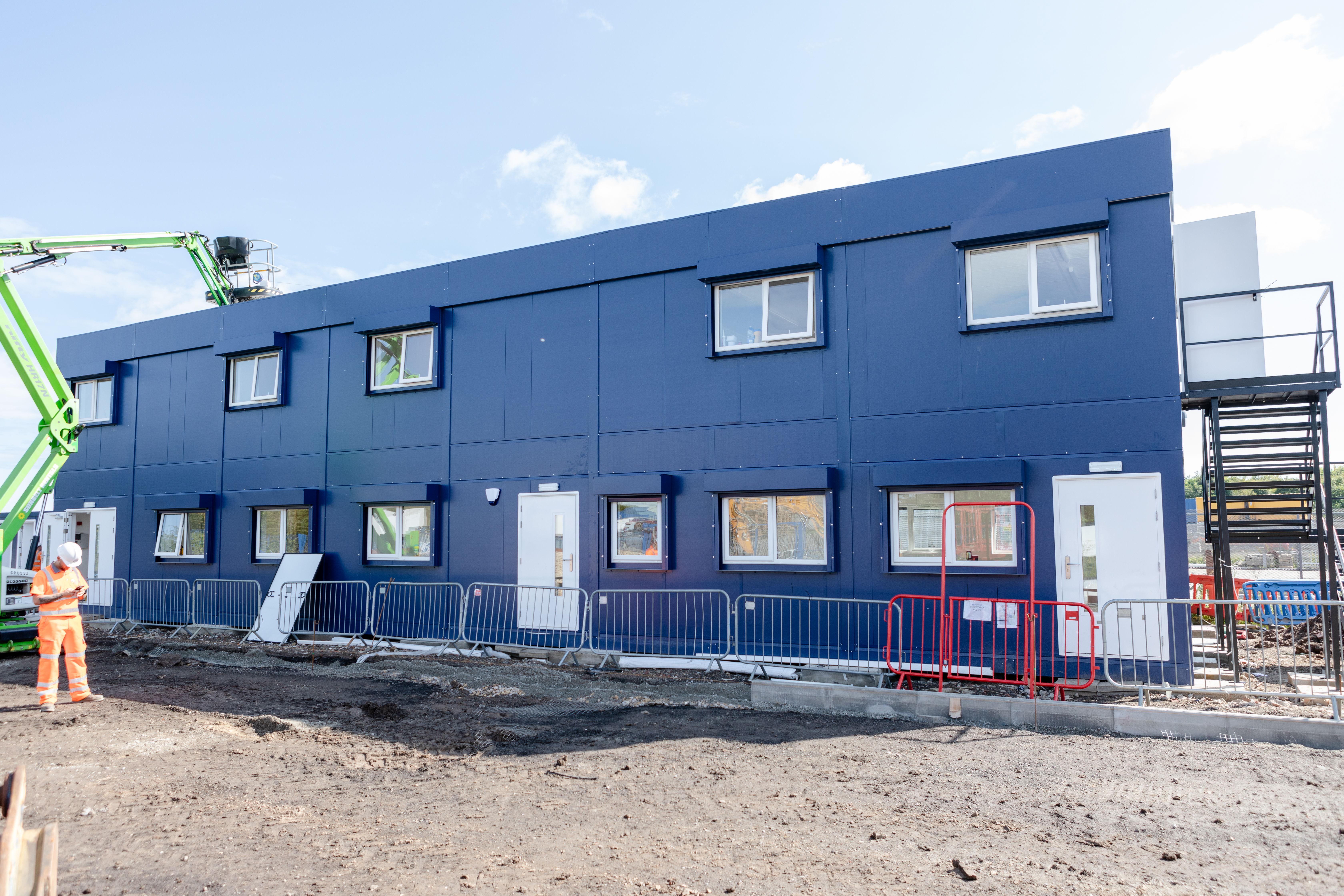
Budget control is a constant priority on construction projects. Unexpected costs can quickly cut into margins and create unnecessary pressure across the project.
Modular site units help manage costs by providing predictable pricing and a clear scope. Whether hiring or purchasing, you understand your costs upfront and can be accurately built into project budgets.
Because these buildings are designed specifically for construction environments, they require minimal modification once installed. This reduces the risk of additional spend on alterations, repairs, or compliance changes.
For building managers responsible for cost reporting, this predictability is a major advantage.
Downtime is one of the biggest threats to project schedules. Poor facilities, inadequate workspace, or inefficient layouts all contribute to lost time on site.
Modular site units are designed to support daily operations. Clear separation between welfare, office, and storage areas improves flow around the site. Staff know where to go, meetings start on time, and breaks are taken in appropriate spaces.
Even small improvements in productivity can make a significant difference over the life of a project. By providing the right environment from the start, modular units help teams work more efficiently every day.
Construction projects are always moving, at least that’s the plan. As projects progress, there can be changes to the team or the project requirements.
Modular site units offer incredible flexibility that traditional buildings cannot. Additional units can be added as the workforce increases. Buildings can be relocated on site to suit changing access or logistics. Layouts can be adjusted to reflect new priorities.
This adaptability helps projects respond to change without major disruption. Instead of redesigning site infrastructure mid-project, teams can quickly and cost-effectively adapt existing modular solutions.
Health and safety performance is closely linked to the quality of site facilities.
Clean, well-lit welfare cabins encourage good hygiene and safe behaviour. Proper meeting spaces support effective briefings and inductions. Secure offices protect sensitive information and equipment.
It’s not just about compliance; good facilities also contribute to a positive site culture. When workers feel valued and supported, morale improves. This often leads to better engagement, fewer incidents, and stronger retention of skilled labour.
For project managers, these factors play an important role in maintaining momentum and avoiding delays caused by incidents or staff turnover.
Not every project requires long-term site accommodation. Some builds are short-term or highly phased, with changing requirements over time.
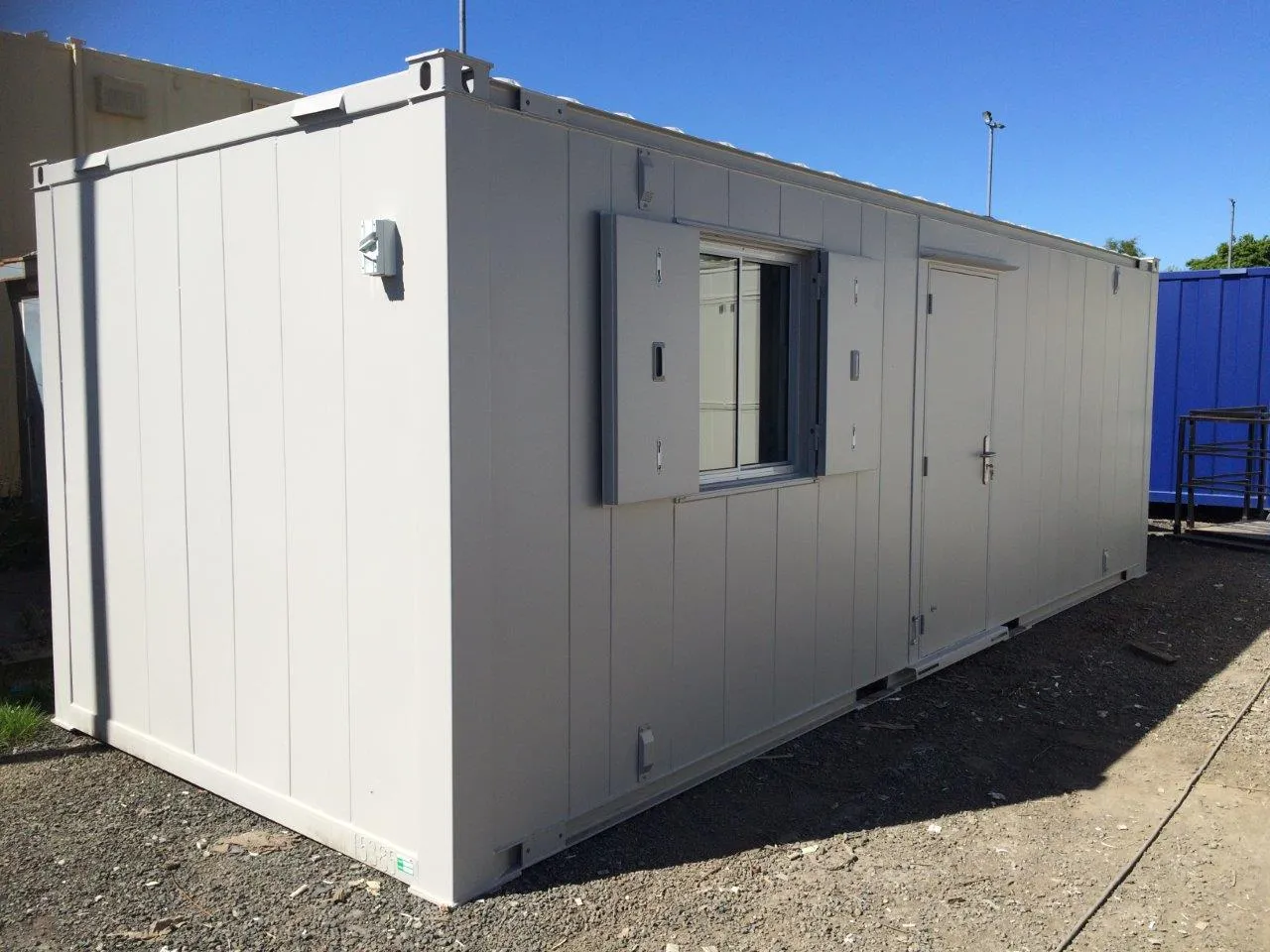
A portable cabin provides a practical solution in these situations. These units can be delivered quickly, used for a defined period, and removed when no longer required.
Portable cabins are commonly used for early works, enabling packages, or temporary site management during specific phases of a project. Their flexibility allows managers to match accommodation precisely to programme needs.
This avoids over-investment in permanent site infrastructure that may only be needed for part of the project.
Many construction projects take place on live sites or have limited space. This might include refurbishment works, extensions, or developments adjacent to occupied buildings.
Modular site units help minimise disruption by reducing on-site construction activity. With most of the building manufactured off-site, installation is faster and quieter.
This is particularly valuable on projects where noise, access, or safety are critical concerns. Faster installation means less disruption to surrounding operations and a smoother overall programme.
While modular site units are often associated with temporary use, they can also deliver long-term value.
Units can be reused across multiple projects, reconfigured for different purposes, or relocated as needed. This makes them a strategic asset for contractors and building managers overseeing multiple sites.
By investing in quality modular solutions, organisations can standardise site setups, improve consistency, and reduce planning time on future projects.
Staying on budget and on schedule requires more than good planning. It requires the right tools and infrastructure to support the people delivering the work.
Modular site units provide a proven solution for construction projects of all sizes. From welfare cabins that support workforce wellbeing to modular site offices that keep projects organised, these buildings play a vital role in modern construction.
By reducing delays, controlling costs, and improving site efficiency, modular units help project managers and building managers maintain control in an increasingly complex industry.
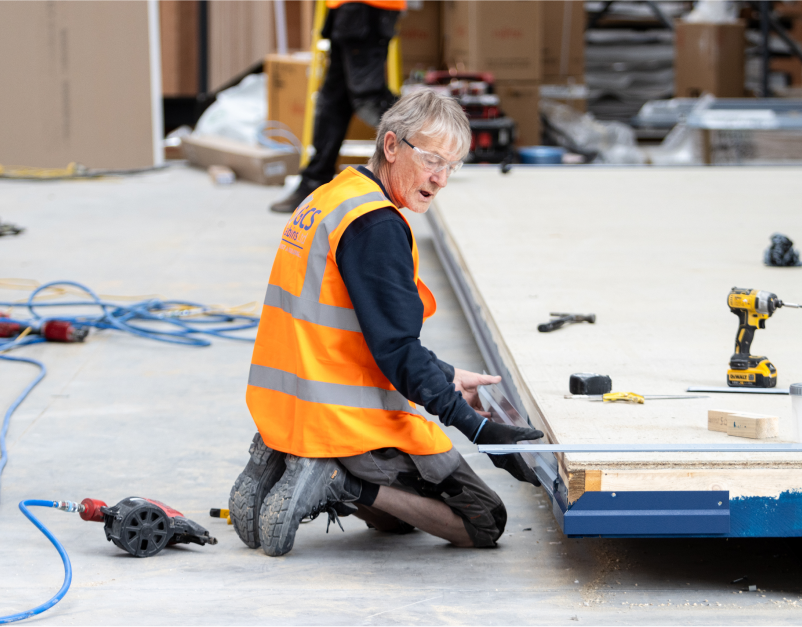
GCS Group has extensive experience delivering high-quality modular site units for construction projects across the UK. From welfare cabins and portable cabins to fully equipped modular site office solutions, our buildings are designed to support safe, efficient, and well-managed sites.
With a focus on quality, compliance, and practical design, GCS Group works closely with clients to ensure site accommodation meets project requirements from day one.
If you are planning a new project or reviewing your current site setup, speak with our team at GCS Group to learn how modular site units can help keep your project on budget and on schedule.
Overseeing day-to-day operations at GCS Group, Jade Sheppard brings a robust background in sales and customer service dating back to 2008. She is passionate about managing every operational detail to see complex modular building projects come to life. Driven by the belief that exceptional service leaves a lasting impression, Jade leads the operational team with a relentless commitment to ensuring every client’s experience with GCS is flawless and memorable.