

Hospitals and clinics across the UK face growing pressure to provide excellent care while managing rising patient demand, limited space and tight budgets. From overcrowded waiting rooms to a shortage of treatment areas, finding room for healthcare services is becoming a more urgent challenge.
A Royal College of Physicians (RCP) survey found that 78% of surveyed physicians had delivered care in temporary spaces over a one-month period, including hospital corridors, waiting rooms and additional beds or chairs in patient bays.
The problem also affects GP surgeries. According to a British Medical Association (BMA) survey, 50% of respondents considered their premises unsuitable for current needs, while 83% said their buildings could not meet future demand.
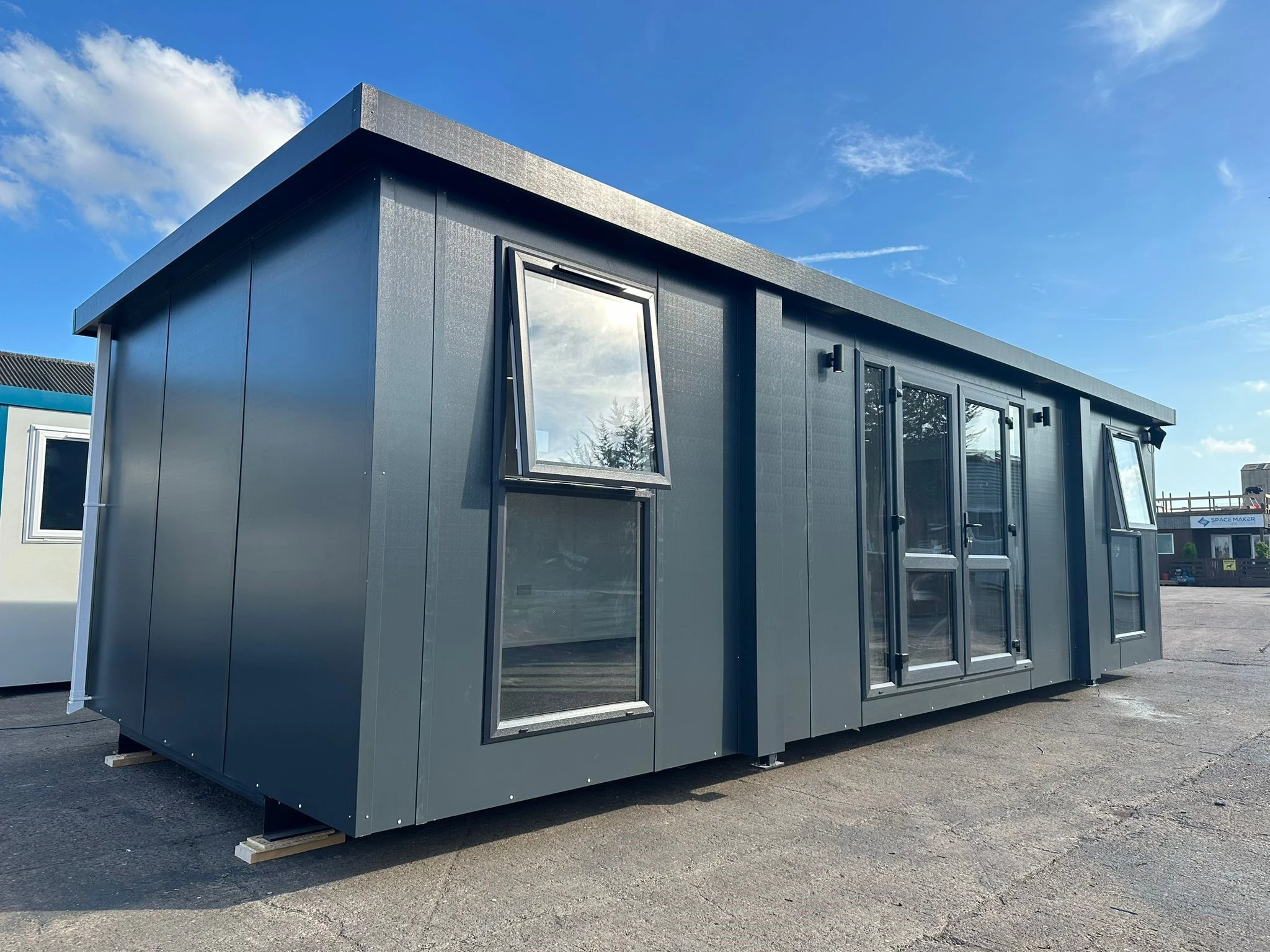
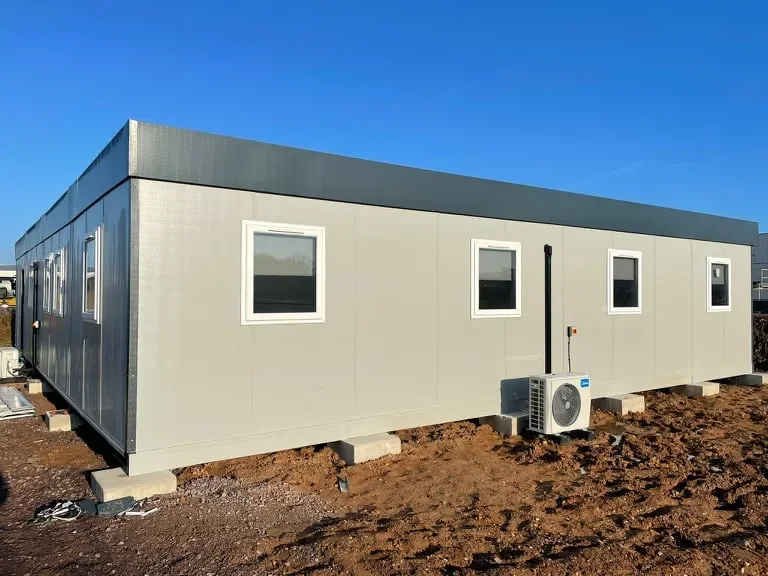
Traditional construction can take months or even years to complete, making it difficult for healthcare providers to respond quickly when extra space is needed. Modular buildings offer a practical alternative, allowing additional facilities to be manufactured off-site while preparations take place at the installation site.
When a hospital runs out of space, the effects can be felt throughout the healthcare system. Limited treatment rooms, insufficient ward capacity and a lack of diagnostic facilities can contribute to longer waiting times and more pressure on staff.
According to Age UK's report, The Longest Wait, the number of instances of corridor care lasting 12 hours or more increased 525-fold between 2015/16 and 2024/25. This shows the growing pressure on hospital capacity and the consequences for patients who cannot access a suitable bed.
Meanwhile, the BMA survey found that 80% of responding GP practices lacked sufficient space for additional staff. This shows how unsuitable premises can limit the ability of hospitals and GP practices to increase capacity.
With winter approaching, seasonal illnesses such as flu, norovirus and other respiratory infections can increase demand for healthcare. Having access to suitable additional space can help providers prepare for periods of increased demand, provided staffing and operational requirements can also be met.
Modular healthcare buildings can accommodate a range of services, from additional consultation rooms and outpatient departments to ward space. Their layouts can be customised to the site's available space and the needs of the service being provided.
Speed is one of the main advantages of modular construction. In a busy healthcare environment, waiting months for additional facilities can put further pressure on already stretched services.
Modular buildings are manufactured in a controlled factory environment, allowing production to take place alongside site preparation. Once the foundations and necessary groundwork are ready, the completed modules can be delivered and assembled, potentially shortening the overall construction programme. Actual delivery times will depend on factors such as site conditions, planning requirements and project complexity.
For hospitals and clinics, this can mean less prolonged construction activity on-site. Reducing noise, deliveries and disruption around operational buildings can help staff sustain essential services while improvements are underway.
This approach can be particularly useful when providers need to prepare for seasonal demand or expand services. For example, a GP practice could add consultation rooms ahead of winter, while a hospital could develop dedicated outpatient space as its services grow. The suitability of either option will depend on the site, clinical requirements and availability of staff.
Healthcare buildings must do more than provide extra floor space. They must support the practical needs of patients, clinicians and support staff.
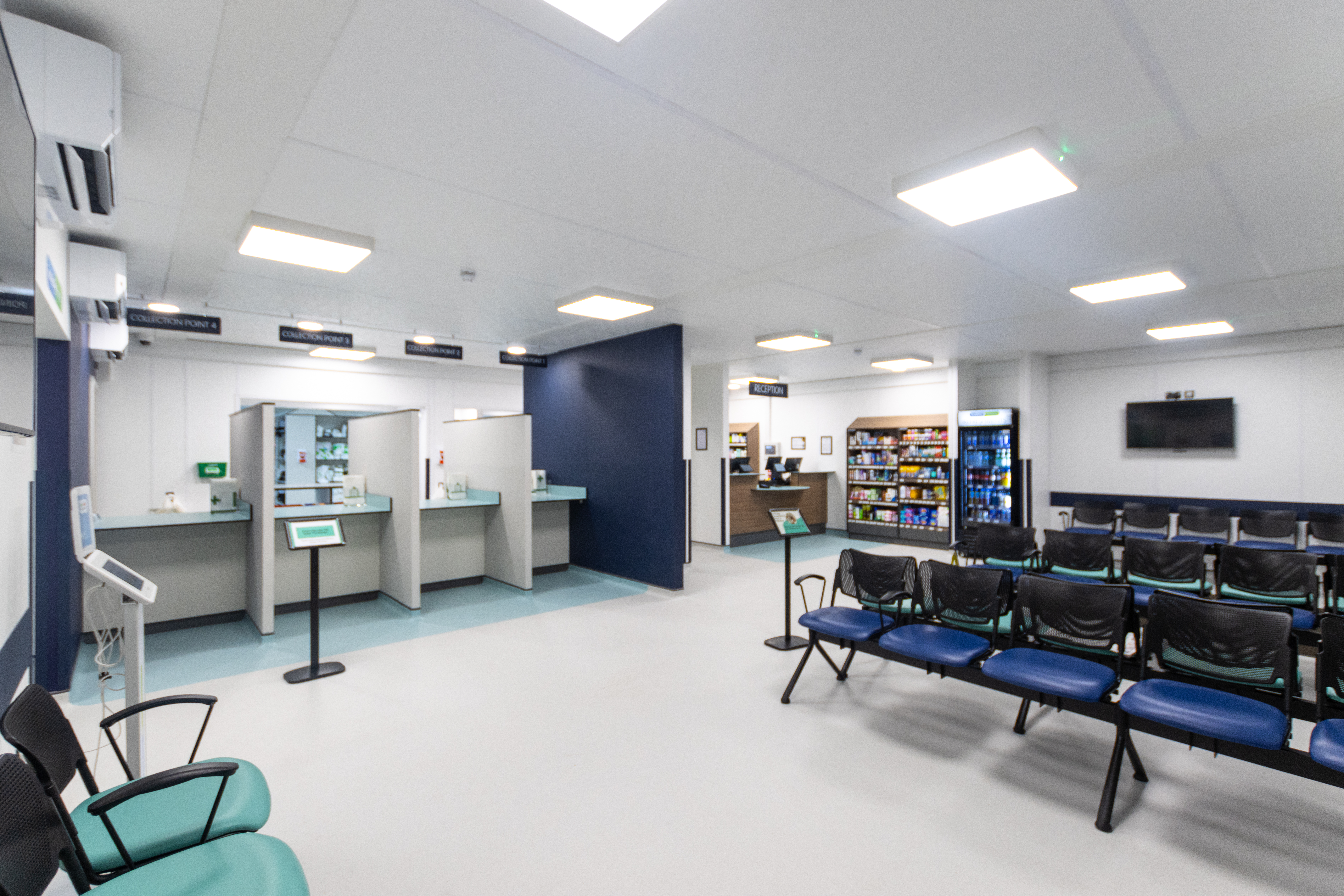
One of the main benefits of modular construction is its flexibility. Layouts can be designed around the intended use of the building, helping create functional environments for a variety of healthcare services.
Additional facilities could include:
Outpatient clinics: Dedicated consultation and treatment rooms.
Hospital wards: Additional patient accommodation to support existing services.
Diagnostic facilities: Space for assessments, testing and diagnostic equipment.
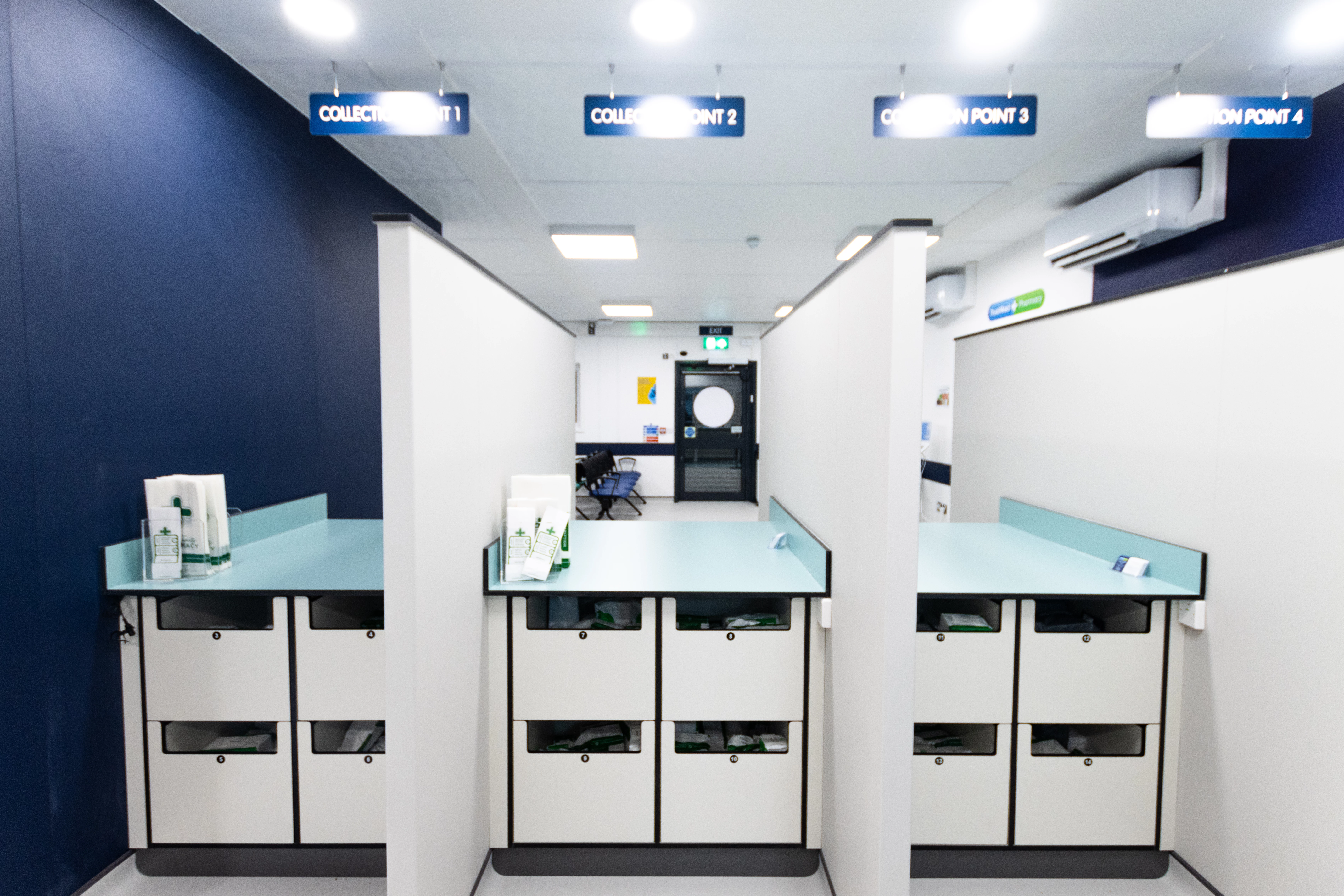
Pharmacies and laboratories: Facilities supporting essential hospital services.
Staff facilities: Additional office, welfare and working space for healthcare teams.
For GP practices struggling with limited premises, modular healthcare buildings can also provide additional consultation rooms and working areas to support expanding teams.
Each facility can be designed around its intended use, with appropriate layouts, building services and specifications considered from the outset. Requirements will vary depending on the clinical activities taking place and the needs of patients and staff.
At GCS Group, modular healthcare facilities are designed to each project's requirements, helping clients create practical spaces suited to their intended purpose.
Budget pressures are another important consideration for healthcare providers. Expanding an estate through traditional construction can involve high costs, lengthy programmes and disruption to existing operations.
Factory-based manufacturing offers greater control over materials and the construction process, helping reduce waste and improve efficiency. With less work taking place on-site, projects may also benefit from decreased construction activity and associated disruption.
Modular buildings can offer a cost-effective alternative to traditional construction, although the overall cost will depend on the building's specifications, groundwork, transport, installation and site requirements. Comparing the total project cost is therefore important when assessing the available options.
Their versatile nature also makes them useful for organisations whose requirements may change over time. A facility introduced to meet immediate demand could potentially be expanded, refurbished, relocated or repurposed in the future, subject to its design and technical requirements.
Considering future needs at the design stage can help providers assess whether a building could accommodate additional services or be adapted as requirements change. This may reduce the need to start from scratch when a healthcare provider's priorities evolve.
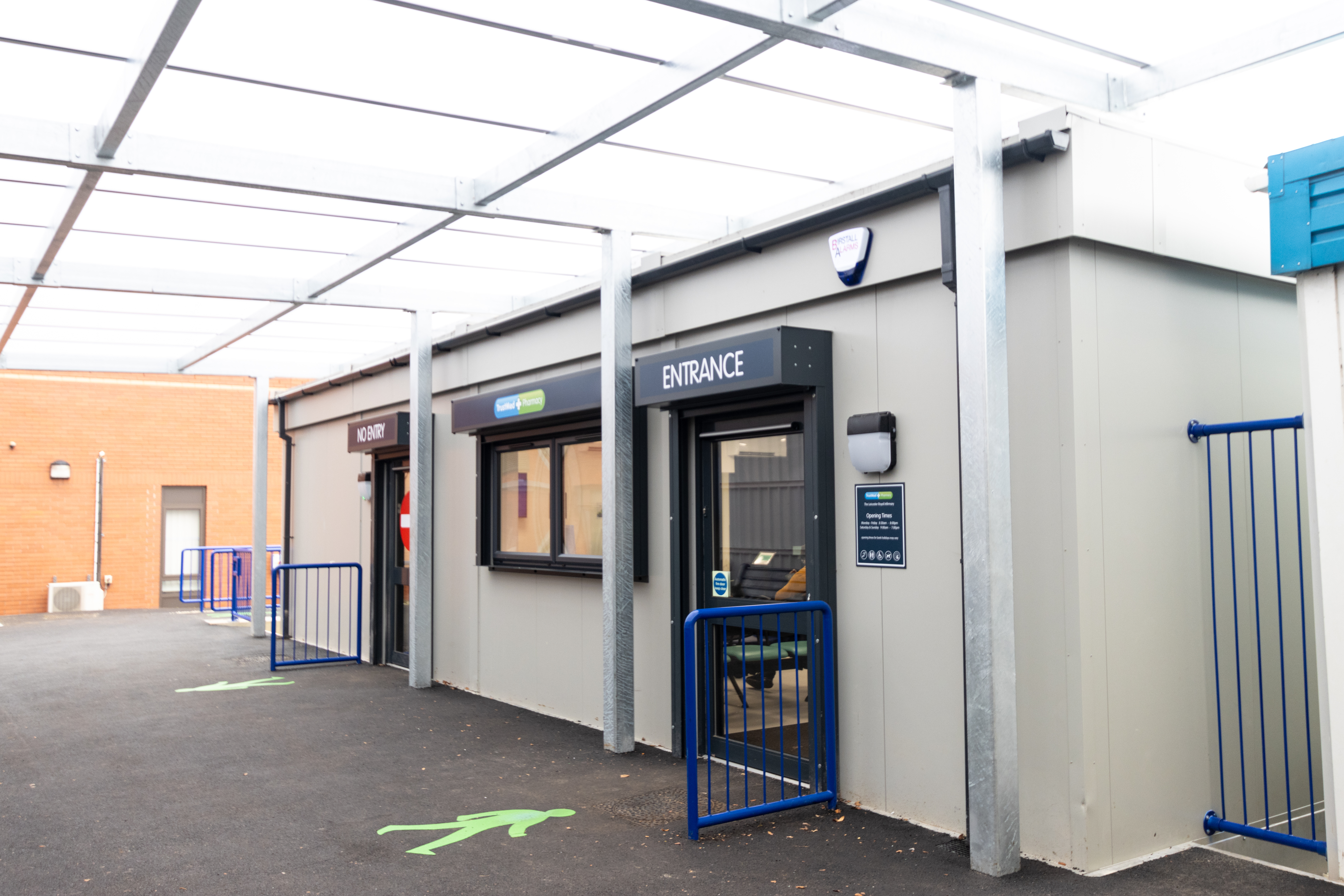
Modular construction can support both new healthcare developments and changes to existing sites. GCS Group has experience delivering bespoke solutions for the healthcare sector, including work at Leicester Royal Infirmary.
This project involved refurbishing, relocating and connecting existing modular space with new units to meet the hospital's requirements. It provides an example of how existing modular accommodation can be adapted and combined with new space to suit a healthcare provider's needs.
If your hospital or GP practice needs additional clinical space, modular healthcare facilities may offer a practical option to explore. Whether you are planning a new clinic, expanding an existing hospital or considering additional treatment rooms, GCS Group can help you assess a solution suited to your project's requirements.
Contact GCS Group today or visit our healthcare buildings page to find out more about our modular healthcare facilities and discuss your project with our team.
Charlie brings years of hands-on experience in sales and operations to his role as General Manager at GCS Group. Dedicated to upholding the highest standards of service, quality, and safety, Charlie ensures that every modular and portable building solution meets both rigid industry standards and the company's strong reputation. For Charlie, what GCS offers the modular building space, from custom design to seamless delivery, is truly unmatched in the industry.