

Waste management and resource recovery facilities are among the most demanding working environments in the UK. Operating year-round in all weather conditions, recycling centres, scrap processing yards, and transfer stations contend with constant airborne dust, heavy plant machinery, odours, moisture, and round-the-clock vehicle movements. For operational teams spending long hours handling materials on picking lines or operating machinery, clean and comfortable facilities are essential for health, morale, and productivity.
Providing high-specification welfare cabins is not just a statutory obligation under HSE welfare regulations; it is an investment in workforce wellbeing, site safety, and efficient operations. Standard site accommodation can struggle to deal with the punishing physical conditions of a scrap yard or aggregate recovery depot. When procuring on-site facilities, understanding the technical features, protective designs, and layout choices that withstand this sector will ensure your facilities remain durable and comfortable for years to come. This is where portable buildings and anti-vandal cabins will help.
A key issue for buildings in waste environments is external degradation. Constant exposure to harsh conditions and airborne waste, along with the risk of impact from heavy vehicles like telehandlers or roll-on/roll-off lorries, will quickly compromise flimsy timber or lightweight composite walls.
For waste and recycling operations, high-grade anti-vandal cabins can exceed the industry standard. These units feature fully welded, corrugated or profiled steel exteriors engineered to fend off physical impacts, flying debris, and challenging atmospheric conditions.
Key structural aspects to evaluate include:
All-steel welded envelope: Look for heavy-gauge corrugated steel exterior walls and roof sheets that prevent water ingress and resist denting.
Corrosion-resistant marine-grade coatings: Industrial-grade paint treatments provide a robust barrier against corrosive contaminants, moisture, and chemical exposure commonly found on recycling sites.
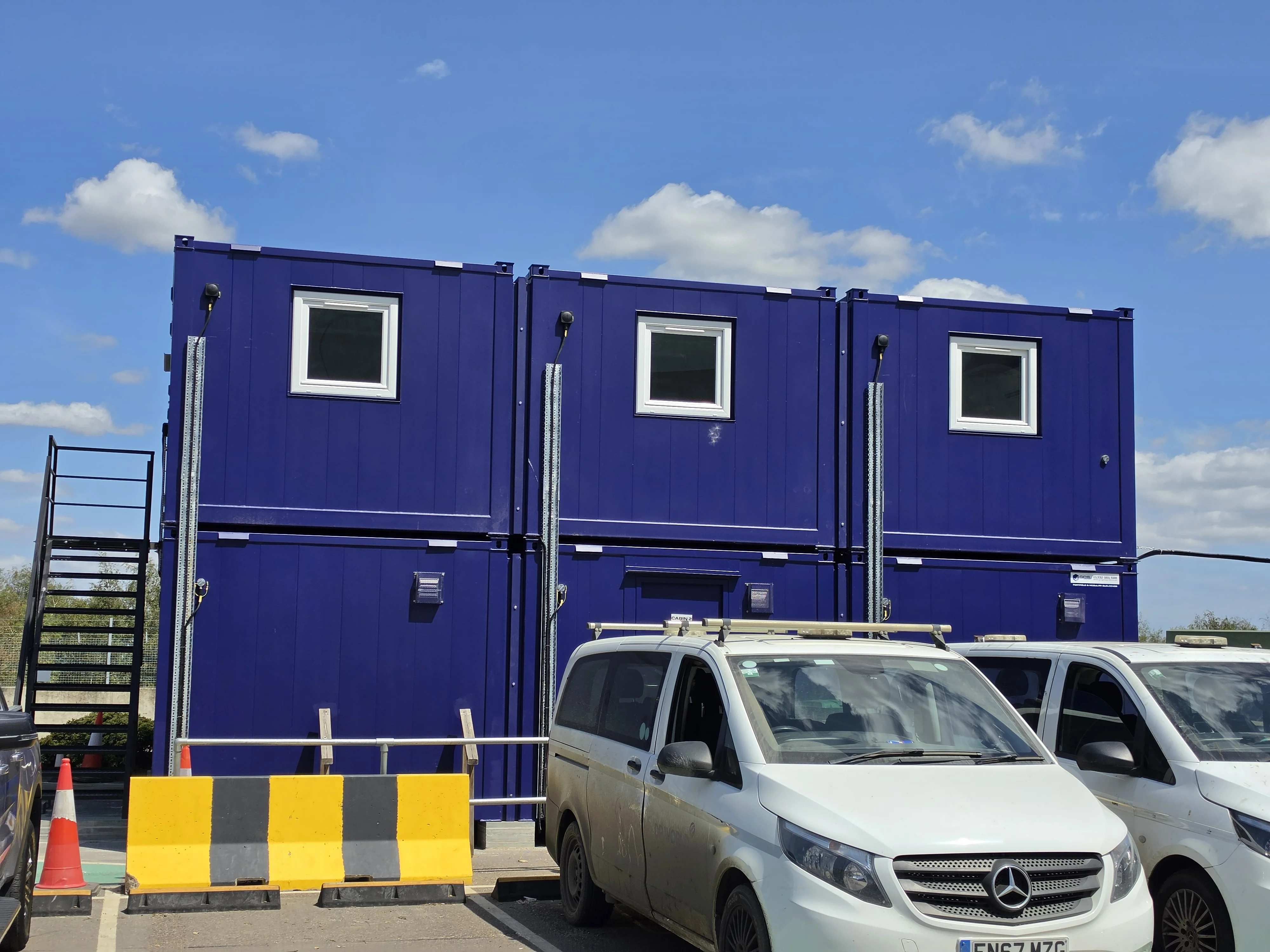
Reinforced chassis and corner castings: A rigid structural steel frame ensures structural integrity when units are lifted, moved, or double-stacked to conserve limited yard space.
Choosing robust anti-vandal cabins safeguards internal amenities against accidental site collisions, flying scrap, and forced entry, providing a long-term asset that requires minimal external maintenance.

Dust and airborne matter cause significant hazards on recycling and aggregate processing sites. Whether managing dry mixed recyclables, crushed concrete, wood chippings, or scrap metal shredding, airborne particles settle onto every surface and penetrate standard building seams.
High-performance welfare cabins must feature tightly sealed building envelopes designed to maintain clean indoor air.
Double-glazed UPVC or aluminium windows: Windows should feature heavy-duty rubber seals and integrated external steel security shutters. These shutters protect the glazing against stray debris during the working day and lock down securely overnight.
Positive-pressure ventilation and filtration: Incorporating filtration systems or continuous mechanical extract ventilation prevents contaminated site air from lingering in break areas.
Hygienic draught-proofing: High-specification weather seals on all steel personnel doors keep fine dust, vehicle fumes, and damp draughts out of the dining and changing zones.
A well-sealed cabin ensures staff can remove their respirators and dust masks during breaks, resting in an environment that protects their respiratory health.
Keeping accommodation clean at a waste processing facility is a constant battle against mud, slurry, grease, and grime. Standard domestic plasterboard and carpeted floors deteriorate rapidly and harbour bacteria and stubborn odours.
When configuring internal specifications, prioritise finishes that withstand aggressive daily sanitisation.
Heavy-duty non-slip vinyl flooring: Continuous, commercial-grade vinyl flooring with coved skirting prevents dirty water and washdown fluids from seeping beneath floorboards or into wall cavities.
Smooth, washable wall linings: Pre-finished plastisol steel, melamine, or composite wall panels can be quickly wiped down with disinfectant sprays or steam-cleaned without warping or discolouring.
Moisture-resistant ceilings: Non-porous ceiling panels resist moisture buildup and damp staining from high humidity and steam in changing facilities and drying rooms.
These surfaces help facilities managers uphold hygiene standards with minimal cleaning effort, even when teams enter directly from wet picking lines or scrap sorting areas.
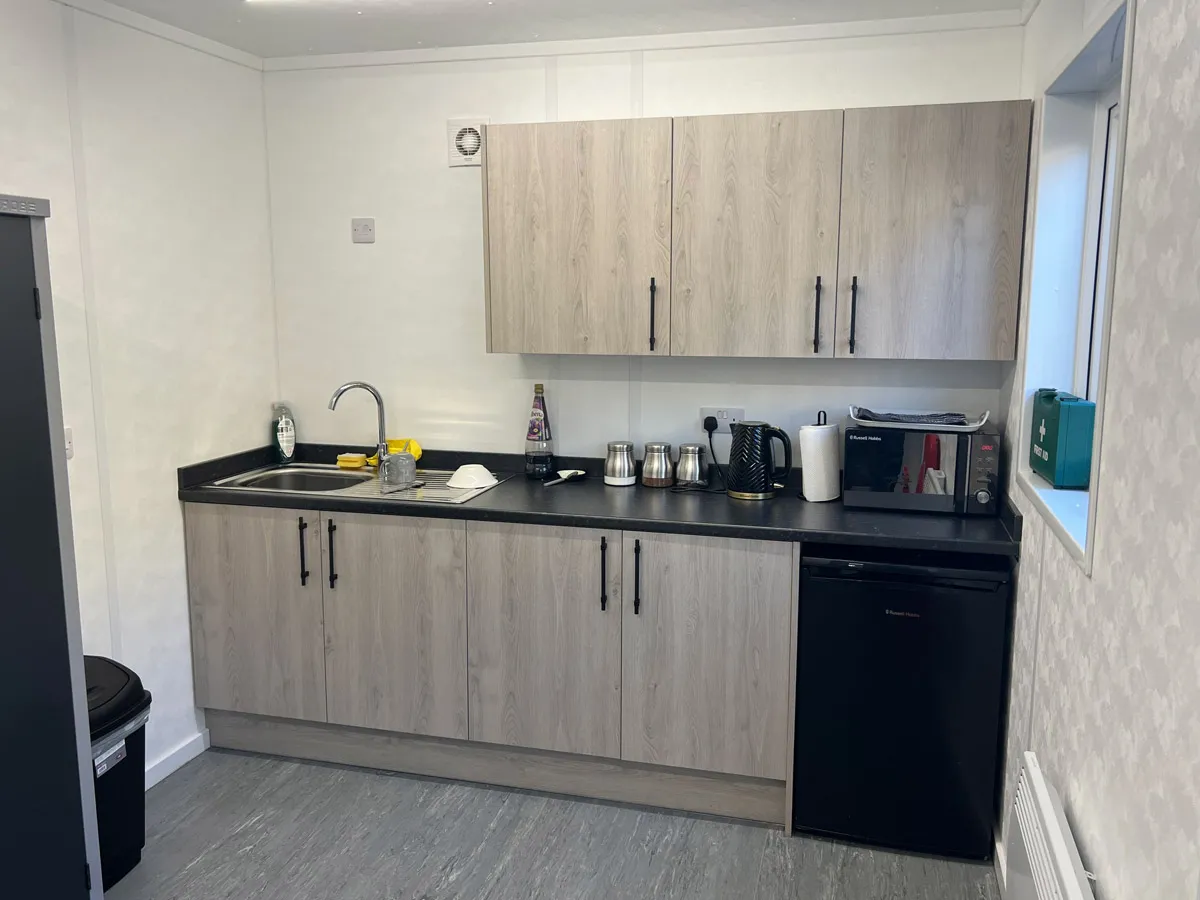
Cross-contamination between the work yard and clean break areas is one of the most persistent operational headaches on waste transfer facilities. A poorly designed building allows wet, soiled personal protective equipment (PPE) to be brought straight into food preparation and dining areas.
Modern portable cabins designed for harsh environments tackle this challenge through smart zoning and intuitive transition layouts.
Transition lobbies: An initial entrance lobby provides space to scrub boots, remove soiled high-visibility overalls, and hang muddy outerwear before entering the main building.
Heated drying rooms: High-powered tubular heaters, dehumidifiers, and heavy-duty hanging rails allow damp wet-weather gear and gloves to dry thoroughly between shifts.
Segregated washrooms and showers: Supplying hot running water, high-capacity sinks, and optional shower cubicles allows staff to wash thoroughly before eating, reducing hygiene and contamination risks.
Constant noise is an issue at a recycling depot or waste site. Shifting metal, reversing alarms, aggregate crushers, and diesel engines generate high decibel levels that cause stress over an eight-hour shift. Furthermore, steel containers can become freezing cold in winter and stiflingly hot in summer if not properly insulated.
Effective welfare accommodation is a place where workers can rest and recover during their shift.
High-density thermal insulation: Look for walls, ceilings, and sub-floors insulated with rigid PIR board or high-density mineral wool. This helps maintain stable interior temperatures and reduces energy consumption from heating units.
Acoustic dampening: Dense wall construction and double glazing significantly reduce external operational noise, giving employees a quiet space to relax comfortably.
Climate control systems: Modern heat-pump air conditioning units offer both rapid heating during frost-laden mornings and energy-efficient cooling throughout the summer months.
Waste transfer stations and recycling plants evolve continuously. Operational expansions, shifting traffic flow patterns, altered stockpile locations, and plant upgrades often require reconfiguring site layouts.
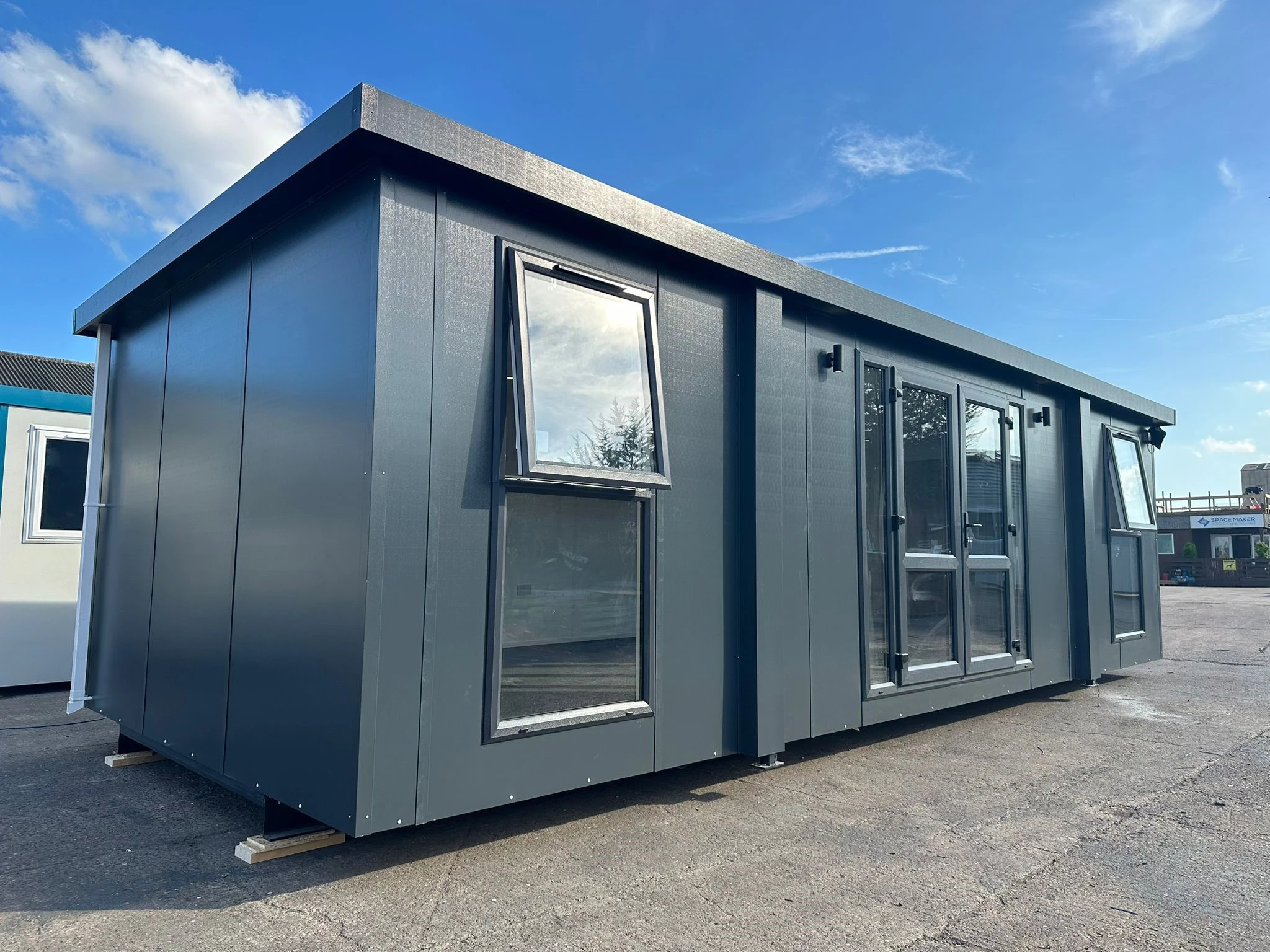
Opting for high-quality portable cabins provides operational flexibility that you won’t find in fixed permanent structures. Purpose-built cabins arrive ready to plug directly into site utilities (or self-contained water and waste tanks) and can be operational within hours. If your site workflow changes or an existing yard lease expires, the cabins can be unplugged, lifted onto a lorry, and relocated across the facility or transferred to an entirely new depot with minimal disruption.
Selecting the right building is about balancing rugged exterior protection with an attractive, hygienic interior. By investing in heavy-duty welfare cabins, waste and recycling operators ensure full regulatory compliance, protect their personnel from the elements, and acquire dependable site infrastructure that withstands the UK's most demanding industrial environments.
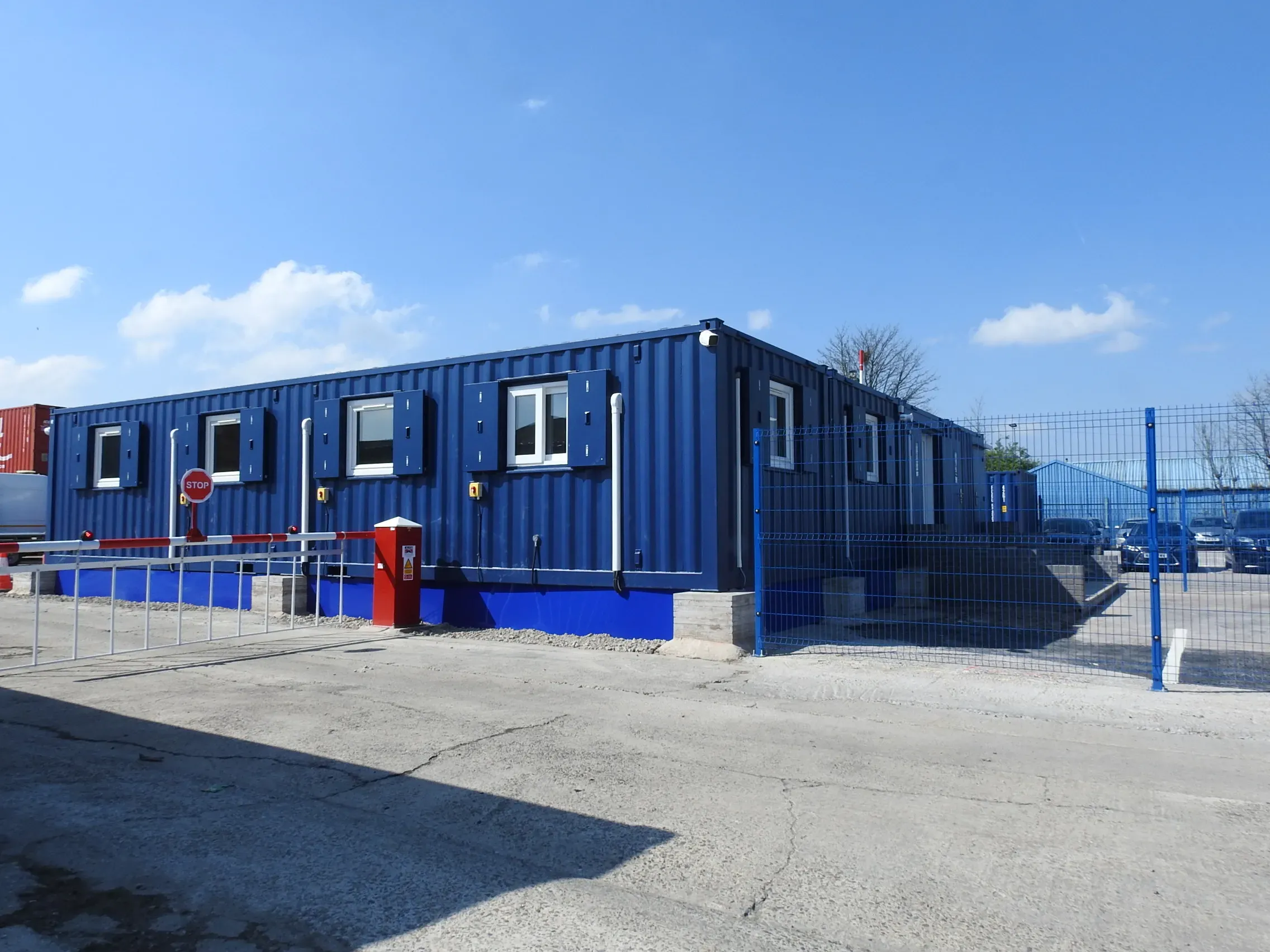
GCS Group has decades of experience designing and building portable cabins and anti-vandal cabins. We understand the needs of construction sites and waste centres around the UK. Our team creates clean, comfortable spaces for welfare units or office spaces in the harshest environments.
Gary Sheppard founded GCS Group in 2007, guiding the company through steady growth into a premier provider of portable and modular building solutions. Rooted in strong morals and core values, Gary ensures the business remains highly competitive and efficient without ever compromising on quality. He takes immense pride in the company's reputation and the long-term loyalty of GCS customers, driven by a team dedicated to excellence.