
The UK government has recently announced a £1.8bn investment pledge to improve the country’s Special Educational Needs and Disabilities (SEND) infrastructure with the launch of the “Experts at Hand” service in England. This important investment offers school leaders and local authorities a vital opportunity to address the acute shortage of specialist education places.
The trouble is, traditional construction projects often move too slowly, overrun budgets, and cause major sensory disruption to vulnerable pupils. However, schools can consider off-site modular construction to avoid such barriers.
The whole modular construction planning process can be further shortened by working with specialist providers like GCS Group and utilising pre-vetted public procurement routes, such as the ESPO Framework 935_26 (Modular Buildings). GCS Group can help educational providers by delivering bespoke, sensory-optimised classrooms legally, cost-effectively, and within a fraction of the usual timeline.
This article explores how modern modular design meets strict SEN requirements, why off-site manufacturing protects student well-being, and how the ESPO framework cuts out the red tape that causes the delays traditionally associated with school expansion.
Expanding an existing educational facility or building a new SEN provision requires a balance between managing a tight budget and adhering to strict compliance standards. However, designing classrooms for SEN requirements adds layers of complexity beyond standard classrooms. SEN classroom must account for physical accessibility, neurodivergent sensory processing, and the emotional well-being of both students and staff.
Traditional construction methods often struggle to meet these requirements.
Extended Timelines: Brick-and-mortar builds often take many months, or even years, to progress from design to completion. This timeline leaves schools struggling to accommodate the fast rise in student numbers.
On-Site Safety and Disruption: Heavy machinery, constant drilling, changing site layouts, and unfamiliar workers create a chaotic environment. The disruption of a live construction site can trigger severe anxiety and behavioural challenges in many SEN pupils.
Environmental Inconsistencies: It is often expensive for traditional builds to regulate acoustic insulation and temperature control.
These issues mean the traditional construction model adversely affects the immediate and sensitive needs of special education providers. Schools need to consider an alternative approach that focuses on precision and speed with minimal disruption to the existing site.
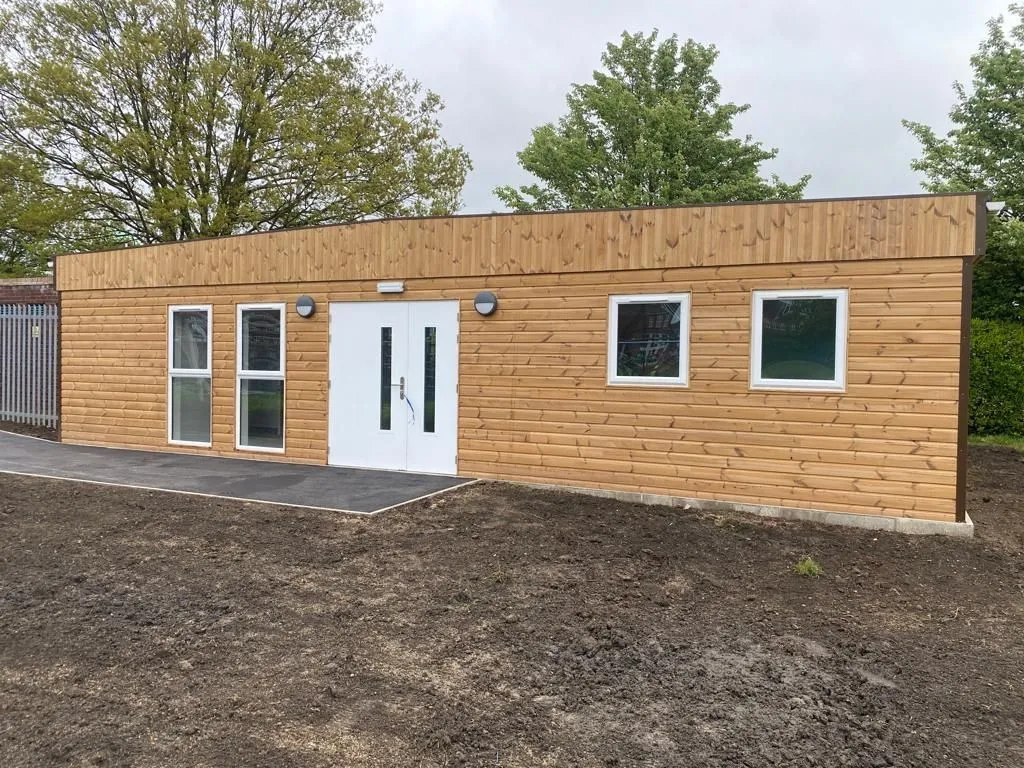
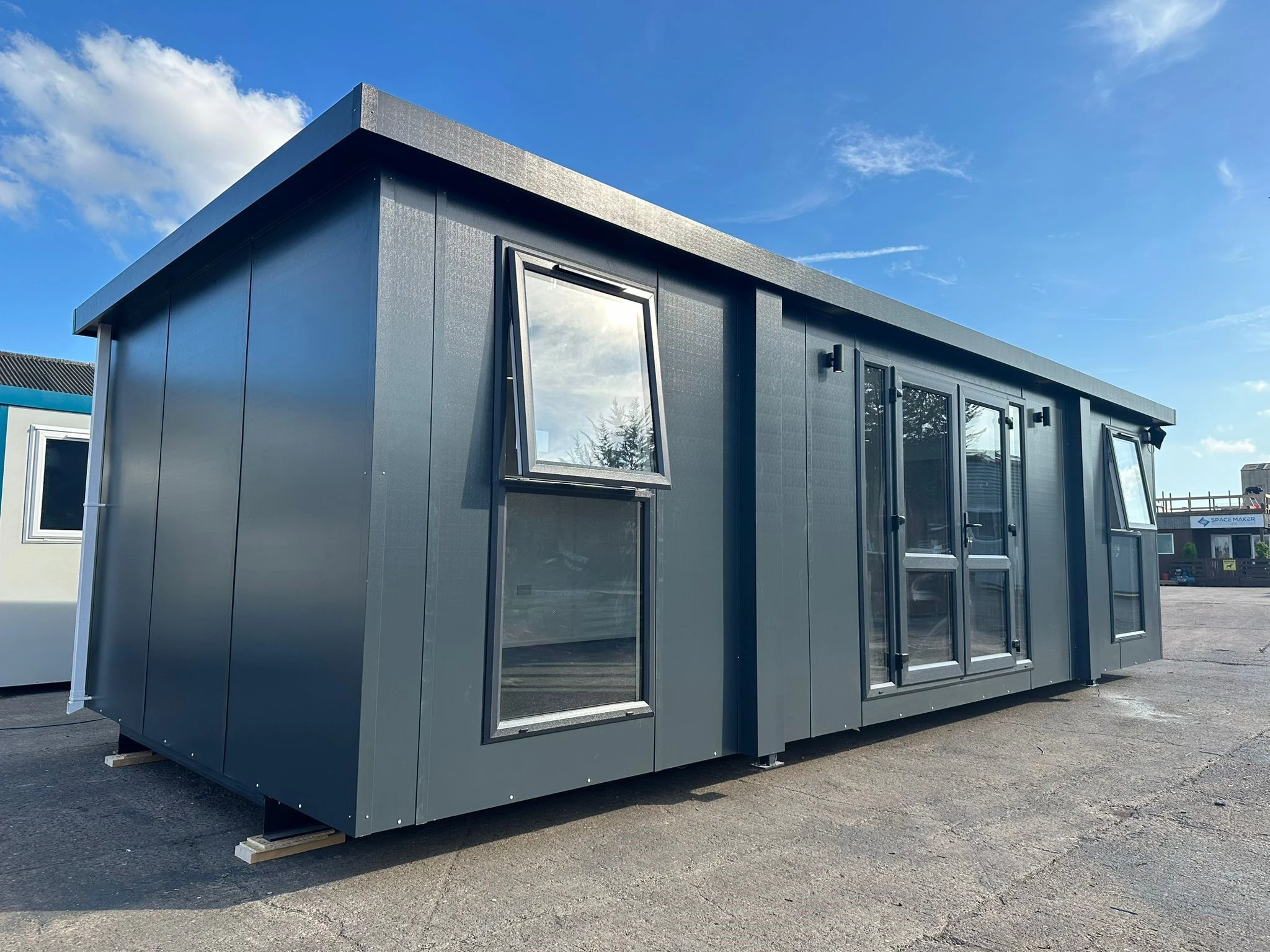
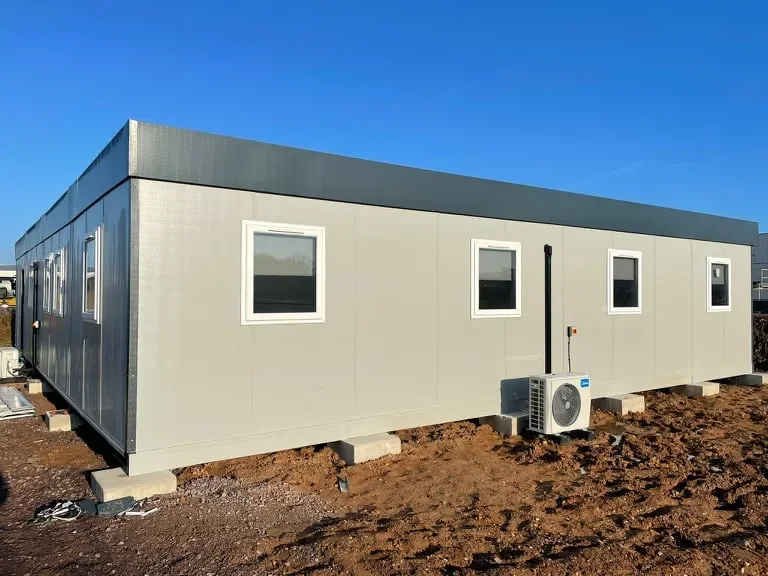
Unlike the old-fashioned temporary classrooms of the past, modular buildings are permanent, steel-framed structures engineered to meet the exact same building regulations as traditional architecture. The key difference lies in how they are made. Because up to 90% of the construction process takes place off-site within a controlled factory environment, the end result is precise and bespoke.
This controlled manufacturing process is particularly beneficial when designing for complex sensory profiles.
Acoustic control is arguably the most critical factor in an SEN classroom. Standard classrooms often feature hard surfaces that reflect sound, creating echoes that can overwhelm students with auditory processing sensitivities. External noise from playgrounds, corridors, or nearby roads can also impair a child's ability to focus.
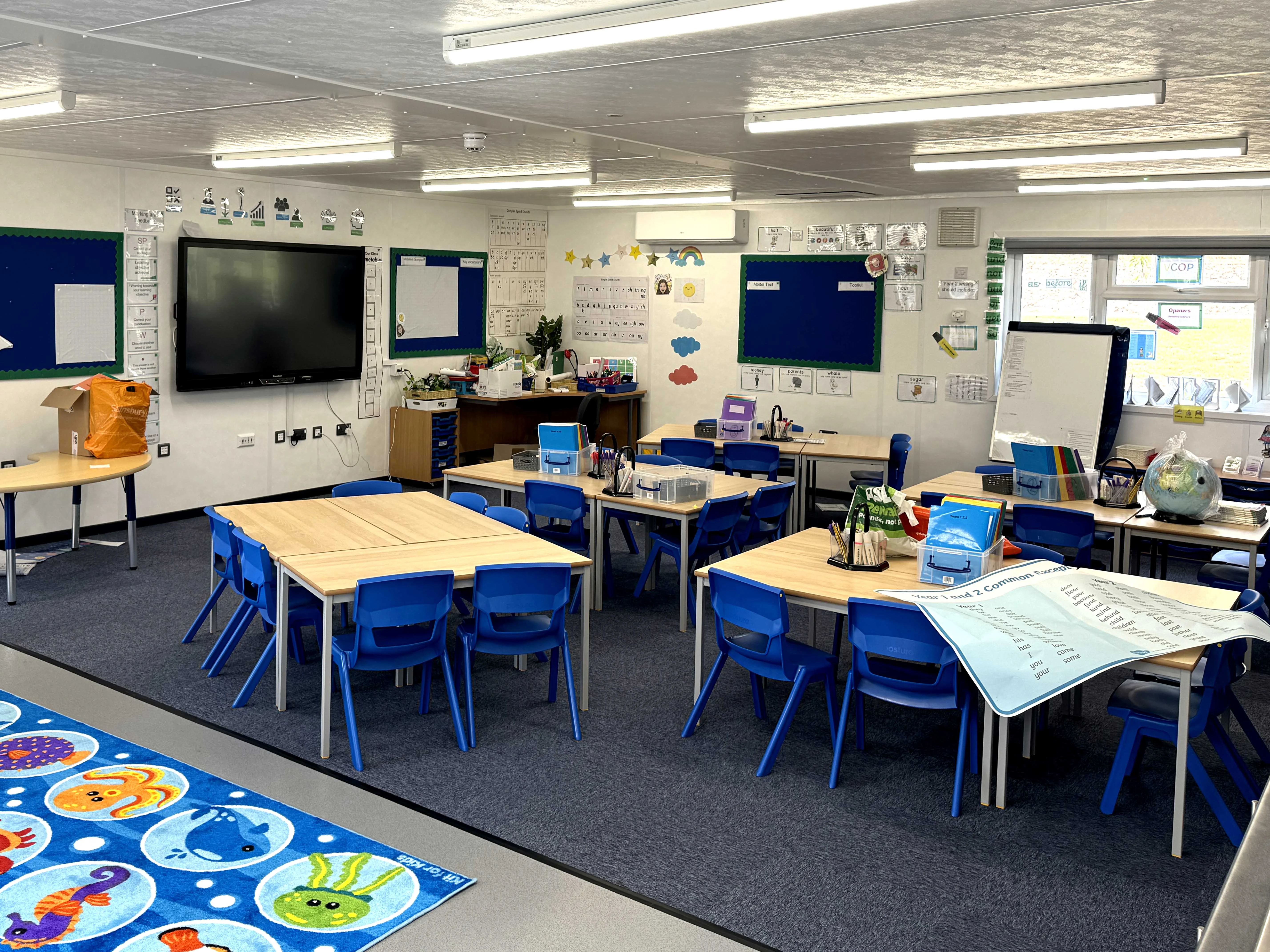
Off-site manufacturing allows acoustic insulation to be built directly and uniformly into the structural fabric of the walls and ceilings. This insulation dampens internal reverberation and isolates the classroom from external distractions.
Fluorescent or poorly regulated lighting can cause unnoticeable flickering that triggers headaches or irritability in neurodivergent individuals. Modular designs easily incorporate dimmable LED lighting. This allows teachers to instantly adjust the visual environment based on the current activity or the class's emotional state.
Adverse temperatures and poor ventilation can cause lethargy and lack of focus. Modern modular units install advanced climate control and ventilation with heat recovery (MVHR) systems. This ensures a supply of fresh, filtered air and keeps temperatures stable throughout the year.
SEN teaching often requires a mix of group interaction and individual quiet time. Modular construction allows for flexible floor plans. Schools can easily integrate dedicated sensory breakout rooms, calm zones, wide corridors to prevent accidental physical contact, and secure storage for specialist equipment.
Even when a school has decided on a modular building solution, the project administration can still delay a project by months. Public sector procurement laws require strict adherence to tendering guidelines to ensure transparency and value for money.
For school business managers and local authority procurement teams, running a full, open tender is time-consuming and costly. The tender process involves drafting complex specification documents, advertising the contract, evaluating bids, and managing legal compliance. This highly involved process creates bottlenecks and slows development down.
This is where the ESPO Framework 935_26 (Modular Buildings) becomes a valuable tool.
ESPO is a public sector purchasing organisation that pre-vets suppliers on behalf of public bodies. To be accredited under framework 935_26, a modular manufacturer must undergo a rigorous assessment process covering financial stability, health and safety compliance, technical capability, and price competitiveness.
For schools and local authorities, utilising this framework simplifies the entire process. Schools do not have to go through lengthy, costly tender processes; they can approach approved suppliers that have already undergone due diligence. Modular building companies in the ESPO framework have already demonstrated legal compliance, saving schools time and money during their search for a pre-approved modular building supplier.
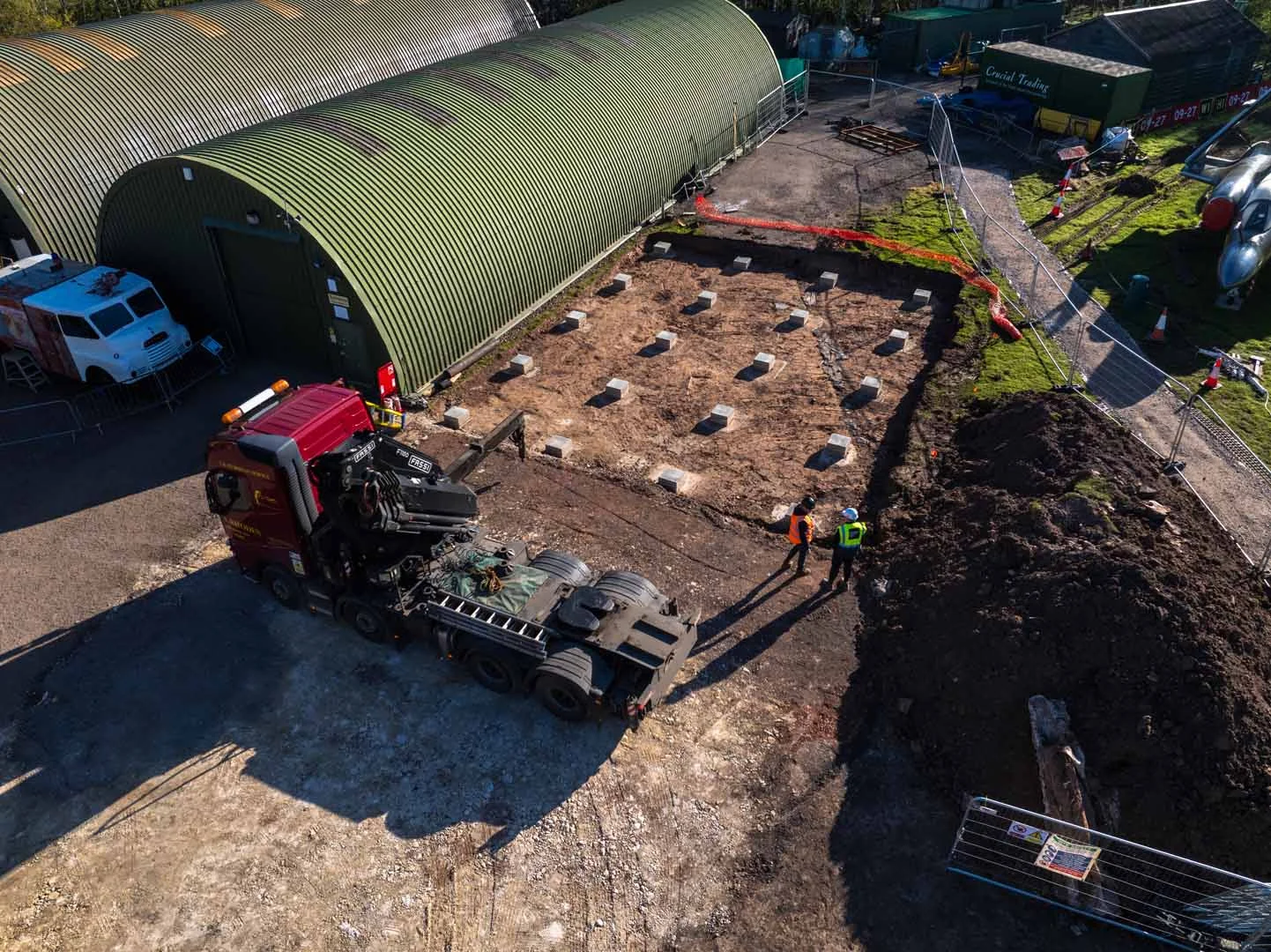
One of the benefits of off-site manufacturing is how it streamlines the on-site construction phase. Because the modules arrive on-site fully formed, featuring pre-installed insulation, wiring, and internal plumbing, the groundwork and final installation happen concurrently.
This parallel timeline allows schools to complete the most disruptive phases of the project during the school holiday periods. This construction method reduces the long-term safeguarding risks, parking pressures, and general chaos of a live building site.
Modular buildings are even more cost-effective, offering a level of future-proofing that traditional structures cannot match. Special education demographics and requirements can change over time. A school that requires a high volume of sensory spaces this year might require more physical therapy rooms or standard classrooms in five years. Because modular structures are scalable by nature, they can be reconfigured, extended, or even relocated with relatively little disruption compared to remodelling a brick building.
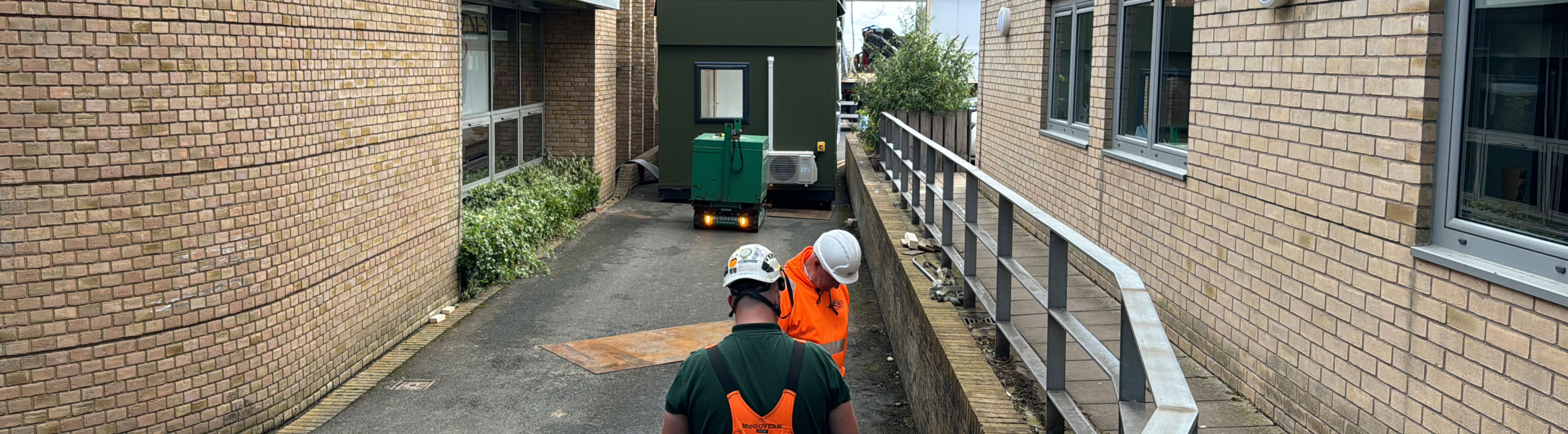
The “Experts at Hand” service, supported by government investment, provides schools in England with a rare opportunity to address the systemic shortage of specialist educational spaces.
Schools looking to expand their SEN offering, or trusts looking to develop new SEN provisions, can benefit from government funding. Then, it can speed up the whole construction process by instructing modular building companies who are already signed up to the ESPO framework. The result is a faster transition from funding approval to a finished building, ensuring that vulnerable pupils receive the specialised, supportive learning environments they need as quickly as possible.
If you are ready to start a new project for modular SEN classrooms or modular SEN school buildings, speak to the team at GCS Group to get your new SEN school off the ground.