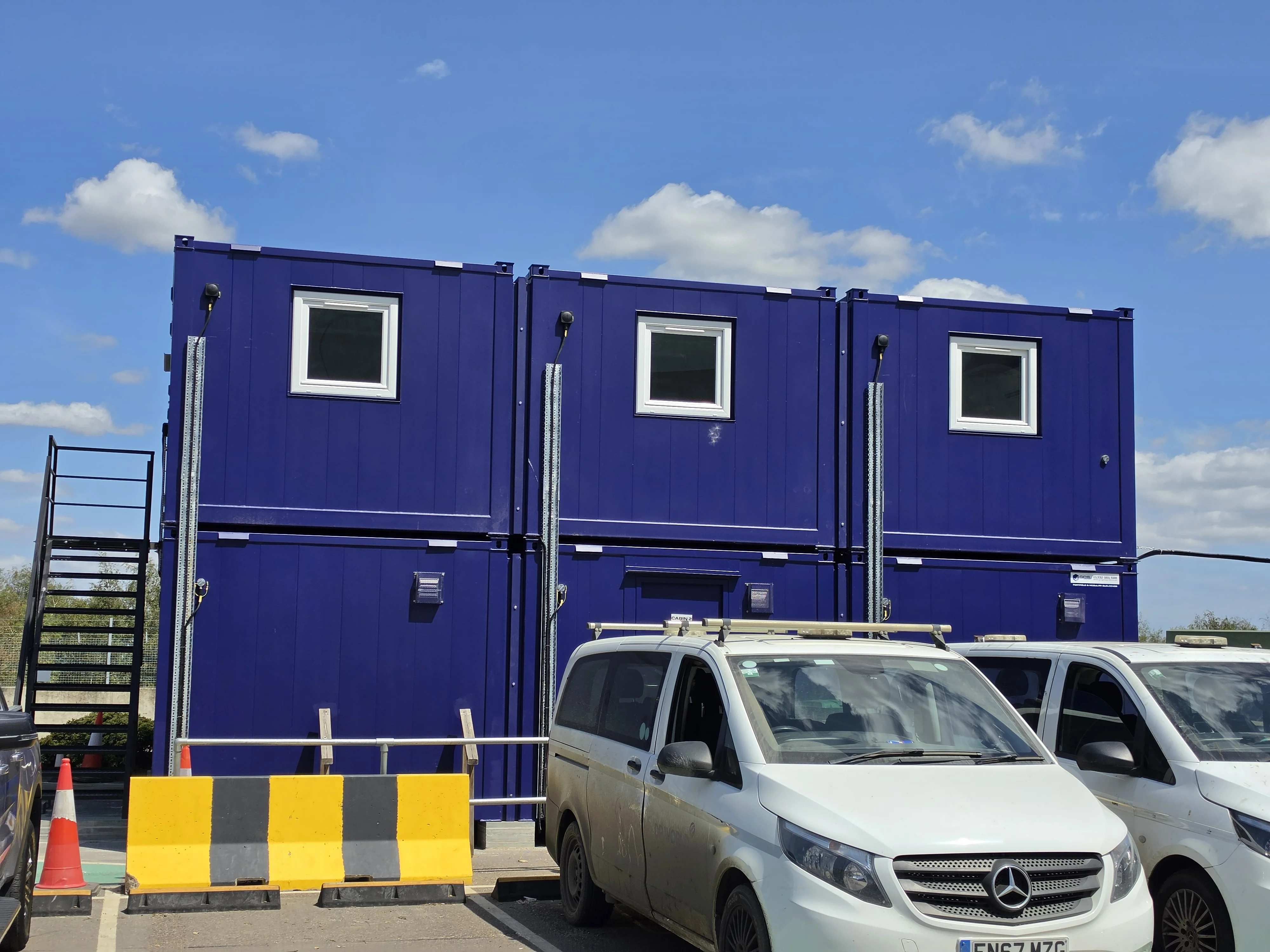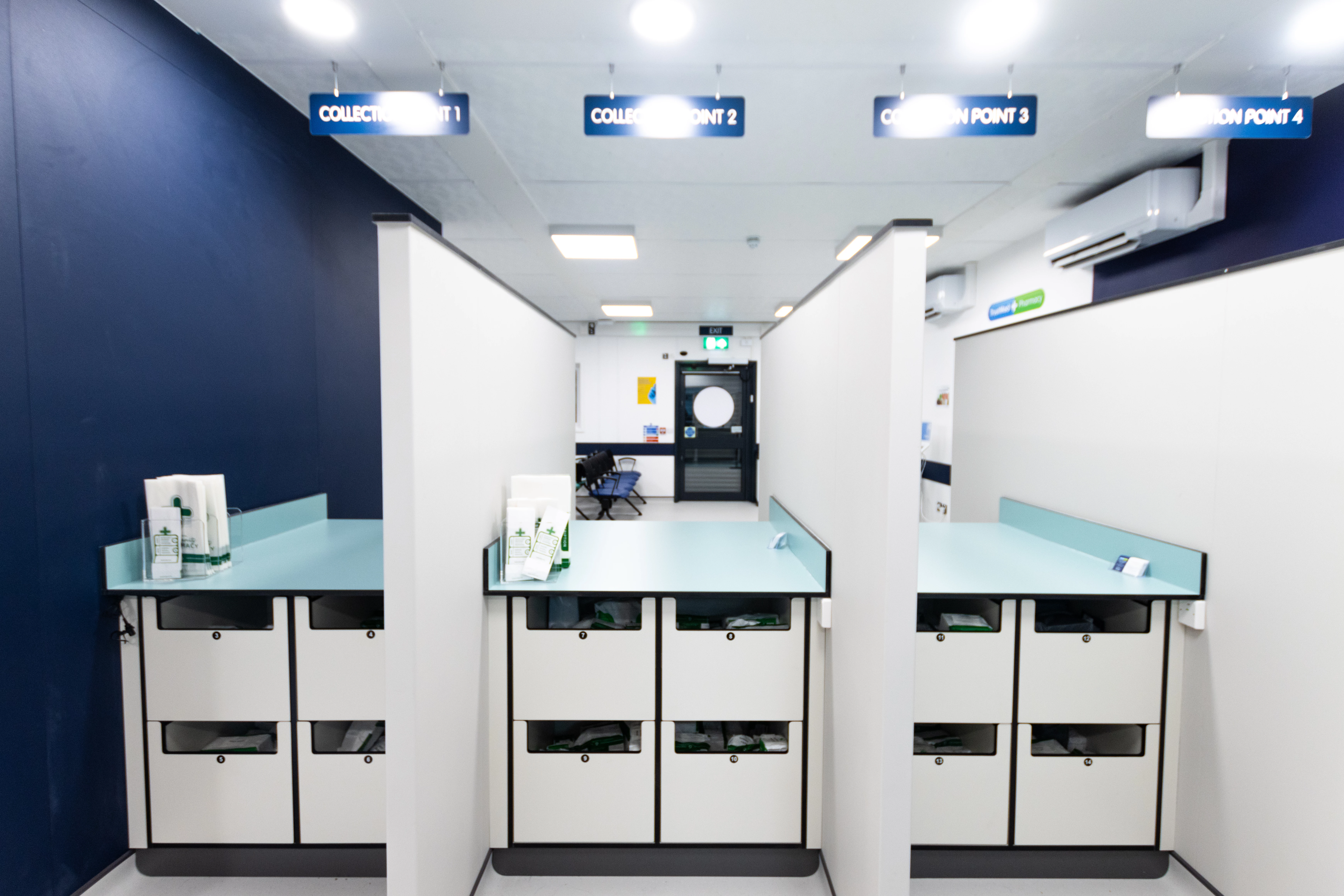

Offsite construction has completely changed the construction process for expanding businesses, schools, and healthcare facilities. Constructing modular buildings inside a dry, controlled factory makes a lot of sense: work moves quickly, waste drops, quality stays high, and your everyday operations aren't disrupted for months on end.
However, after years in this industry, GCS Group understands that the success of a modular build can rely on what happens on the morning that lorries turn up at the gate.
When multi-tonne steel modules arrive at your site, months of smooth progress can unravel quickly if the groundwork, the route, and the utility plans aren't in sync. That is why turnkey site services matter. Working with modular building companies that handle everything from the initial design through to the opening day means installation day runs like clockwork, without nasty surprises or spiralling costs.
Modular building installation is a faster process than traditional construction, because the main bulk of construction takes place in a factory manufacturing environment. So, installing modular buildings condenses weeks of heavy building and construction into a single day or a closely managed few days.
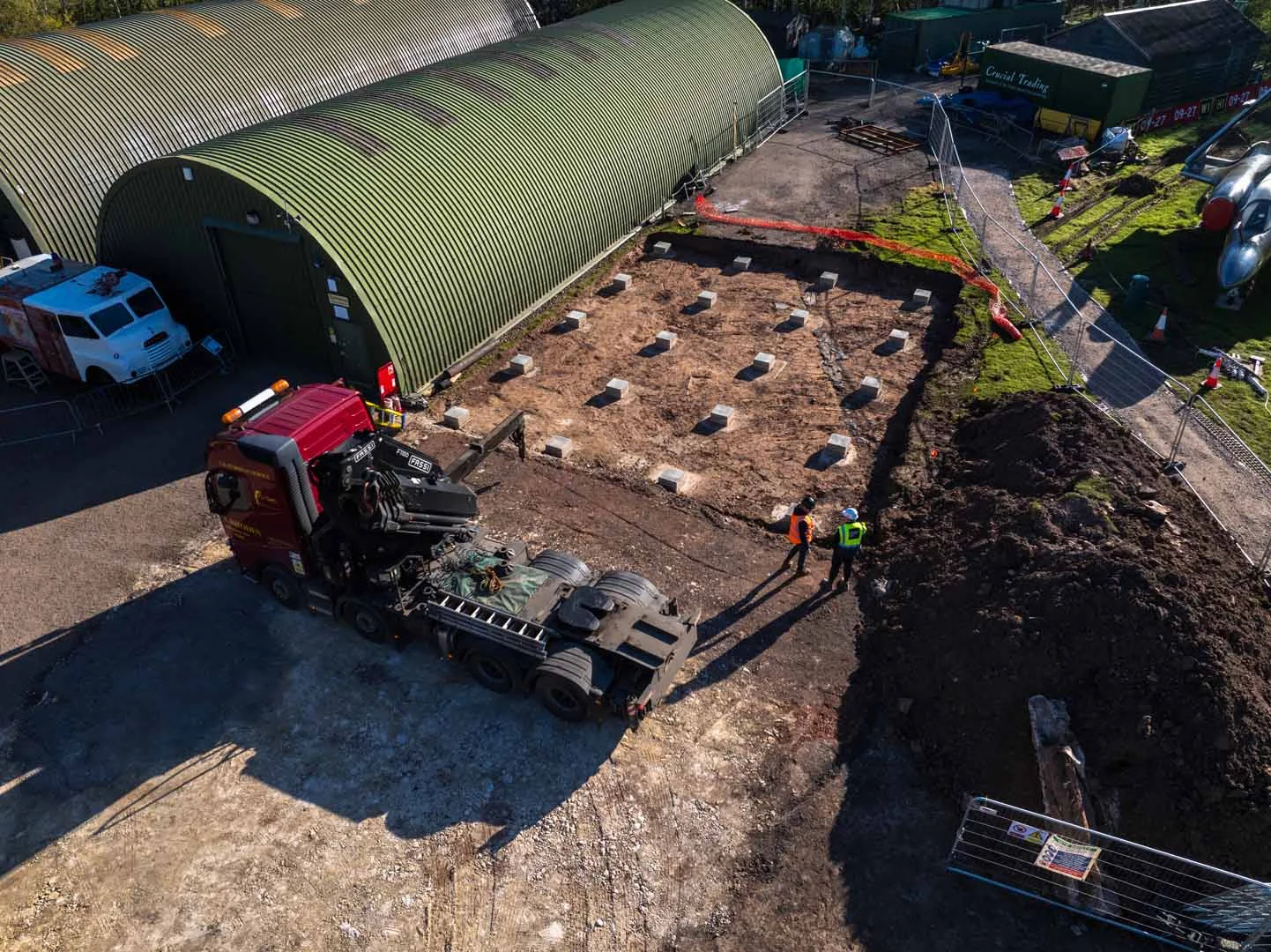
Articulated lorries carrying wide loads show up in a strict sequence. A mobile crane or heavy-duty Hiab needs to set up on solid ground. Banksmen, slingers, and installation crews have to guide every module into place, matching steel connections down to the millimetre on top of pre-poured foundations.
When it works, it is brilliant to watch. But if even one link breaks, everything grinds to a halt. You end up with haulage lorries backed up on local roads, a crane on an expensive day rate sitting idle, and your move-in date getting further away.

Delivery problems hardly ever come down to the modules themselves. More often than not, they happen between the factory gate and the final site.
1. Tricky Access and Road Layouts
Getting wide, tall modules through British roads involves much more than typing a postcode into a satnav. Low bridges, weight restrictions, awkward roundabouts, low-hanging cables, and cars parked along narrow streets can stop a load dead in its tracks.
Without a proper route survey beforehand, along with the right council permits and escort arrangements, modules can be turned around miles from where they need to be.
2. Wonky or Incomplete Groundworks
Steel-framed units require proper foundations. If a separate groundworks team gets the pad depths wrong or places anchor points out of line, the building cannot be set down safely. Trying to fix concrete while lorry drivers and crane operators wait around adds stress and is a nightmare for your budget.
3. Soft Ground Under the Crane
A mobile crane needs certified, stable ground to set its outriggers. If no one has checked the ground-bearing pressure or brought outrigger mats, the lifting crew will have to walk away on health and safety grounds.
4. The Unpredictable British Weather
High winds are one of the main issues when you are lifting large modules into the air. While nobody can stop a storm, good logistics planning means watching the forecast days ahead and adjusting delivery times to catch safe weather windows, rather than standing in the rain wondering what to do.
When organisations invest in modular buildings, they often make life harder for themselves by splitting the project into individual parts. One supplier builds the modules, a local civil firm does the groundworks, an independent haulier moves the bays, and another firm supplies the crane.
The trouble is, when things go wrong, everyone ends up pointing the finger at someone else:
The haulier blames the ground team for an uneven access track.
The crane driver refuses to set up because the pad paperwork isn't on site.
The manufacturer says it isn't their problem because the units left on time.
A turnkey approach gets rid of that headache. You deal with one team that takes full ownership from start to finish:
Real Site Surveys: Logistics specialists visit your site early on to check gate widths, slopes, turning space, and overhead cables.
Coordinated Groundworks: The foundations and drainage trenches are dug specifically to fit the engineering drawings of the modules coming in.
Managed Transport: The delivery schedule, wide-load notices, and council permits are coordinated so the lorries arrive as the crane is ready to lift.
Sensible Lift Plans: A qualified team handles the safety paperwork, risk assessments, and method statements well before the crane rolls through the gate.

A failed delivery day isn't just an inconvenience; it gets expensive very quickly.
Crane Standing Time – Heavy mobile cranes cost thousands a day, whether they’re lifting or parked
Haulage fees – Hauliers charge waiting time by the hour if their wagons are stuck on site.
New permits – Road closures and council notices expire; booking them again takes time and extra fees.
Lost Working Time – Delays mean staff can’t move in, clinics can’t see patients, or classes can’t start on time.
Having a turnkey team managing the whole job protects your budget from these kinds of hidden hits.
A great delivery day doesn't wrap up when the crane packs up its outriggers. You still need a building you can actually use.
With turnkey services, the fit-out and hookups happen immediately. Rather than leaving you to chase local plumbers and electricians, the same team connects the essentials:
Power and Heat: Wiring up the main distribution boards, heating, and lighting.
Plumbing: Hooking up clean water, waste pipes, and drainage.
Data and Comms: Getting your internet and phone lines running so you can plug in and get to work.
That way, you aren't left managing a drawn-out commissioning phase. You walk into a building that is warm, connected, and ready to go.
Demand for modular buildings in the UK has increased in recent years, and it's easy to see why. From temporary site offices and welfare units to permanent classrooms and health facilities, modern offsite designs are just as warm, sturdy, and attractive as traditional builds.
That said, Britain is full of tight roads, old bridges, and unpredictable weather. Navigating those challenges takes practical experience from reliable modular building manufacturers.
The best modular building companies know that great manufacturing is only half the battle. If a provider cannot handle the civil engineering, haulage, and tricky logistics, the project will fail at the finish line.
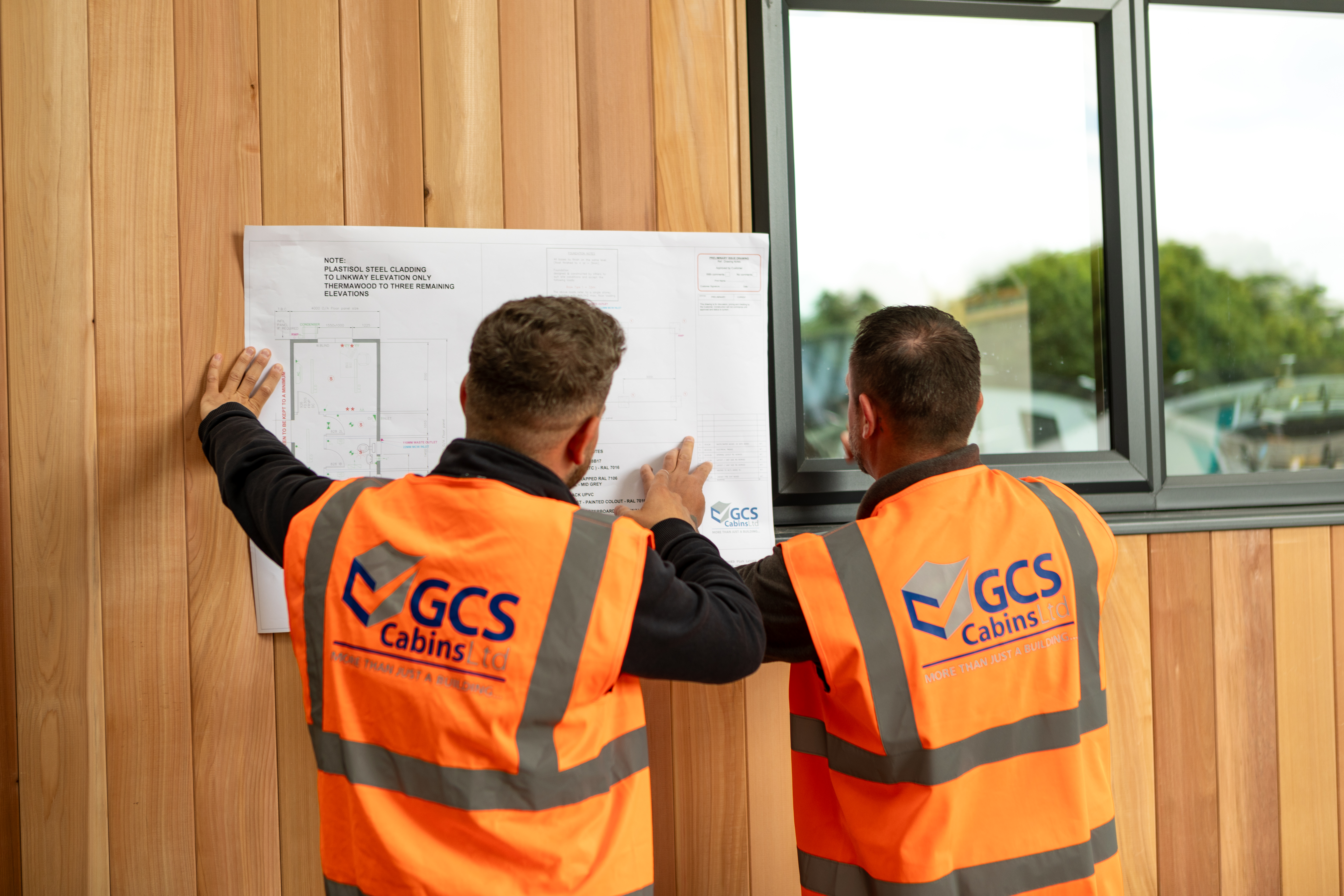
GCS Group have been delivering modular building projects across the UK since 2007. Over the years, we have learned that the secret to a painless install is taking full responsibility for the entire journey.
Whether you need bespoke office space, classrooms, or site cabins, GCS Group brings the design, groundwork, transport, crane hire, and utility hookups under one roof. You get a single point of contact who keeps you in the loop, coordinates the moving parts, and makes sure that when delivery day arrives, it is an exciting moment rather than a stressful one.
If you are planning an upcoming project, focus on the delivery just as much as the layout. With the right turnkey support behind you, you can look forward to delivery day knowing everything is taken care of.
Contact a member of our friendly, knowledgeable team to get your modular building project started.
Overseeing day-to-day operations at GCS Group, Jade Sheppard brings a robust background in sales and customer service dating back to 2008. She is passionate about managing every operational detail to see complex modular building projects come to life. Driven by the belief that exceptional service leaves a lasting impression, Jade leads the operational team with a relentless commitment to ensuring every client’s experience with GCS is flawless and memorable.